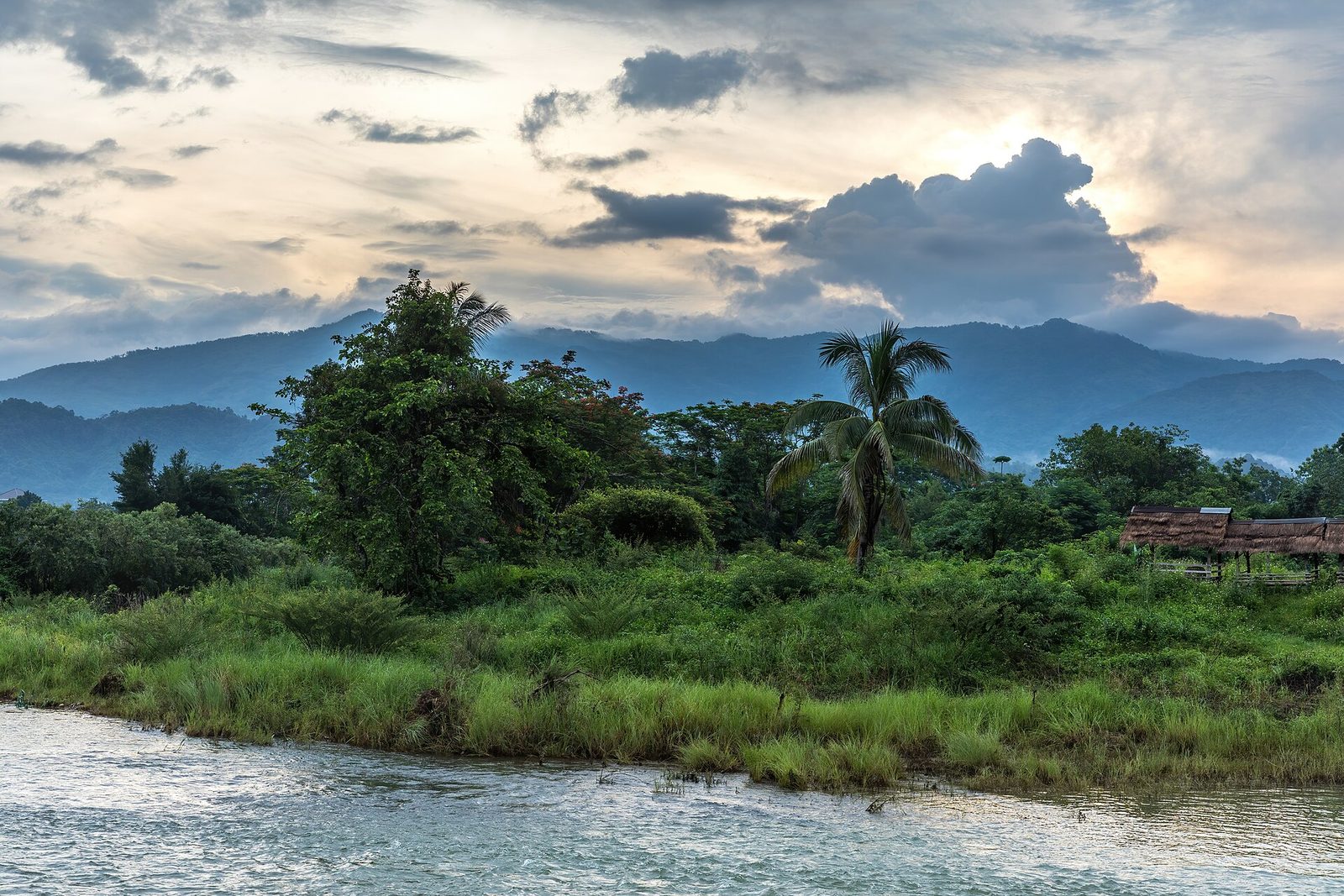
Backpacking is independent travel on a daily budget: you carry what you own, sleep in hostels or guesthouses, eat where locals eat, move by bus and train, and stay long enough in each place for it to stop being a sight and start being somewhere you briefly lived. It is not a youth rite or an endurance test. It is the cheapest way to see a great deal of the world, and the skills are learnable in a week.
Where to go first
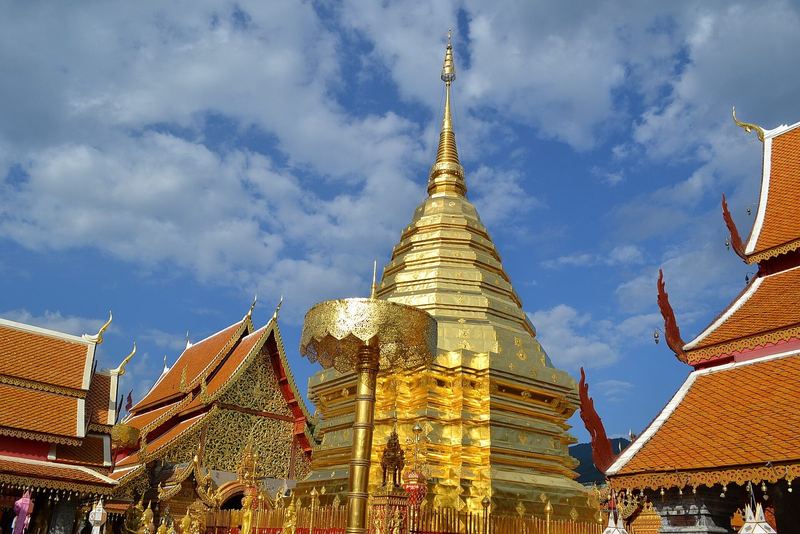
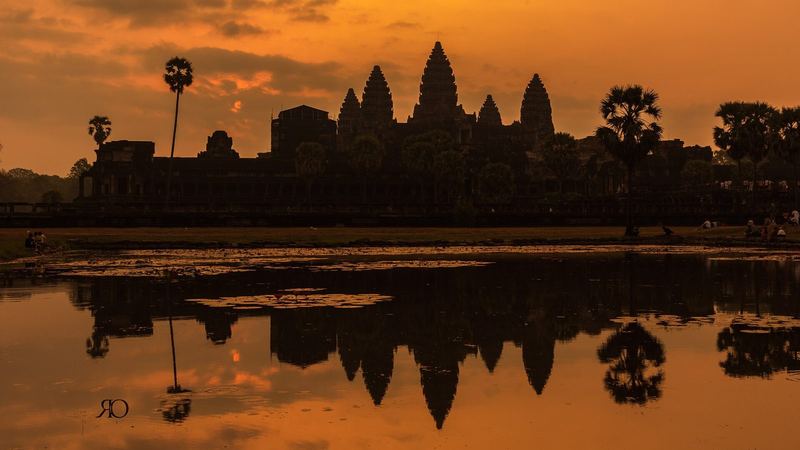
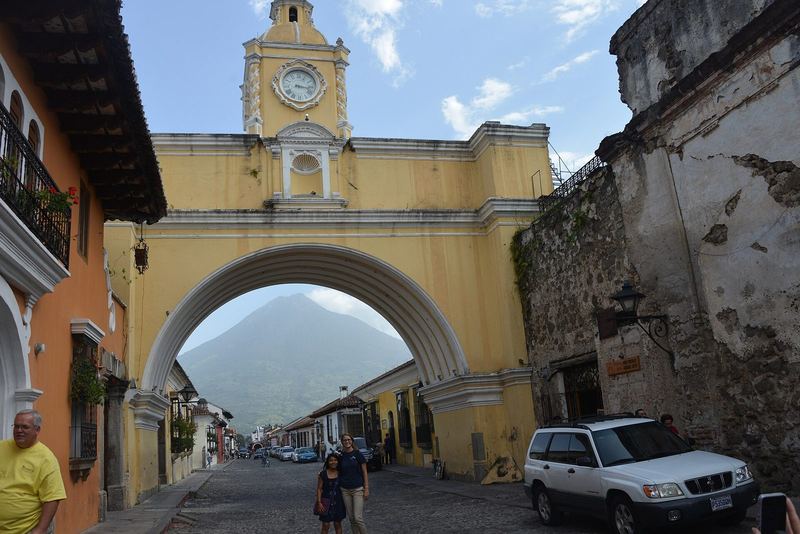
Choose a region with a well-worn trail: cheap, safe by regional standards, dense with hostels and other travellers, and connected by frequent transport. Three regions do this better than anywhere: Southeast Asia (Thailand, Vietnam, Laos, Cambodia), Central America (Mexico's south, Guatemala) and Central and Eastern Europe (Budapest, Prague, the Balkans). Our destination database puts backpacker-tier daily costs at roughly $25 to $35 in Chiang Mai, Hanoi, Siem Reap and Kathmandu, around $40 in Mexico City and Medellín, and $55 to $60 in Budapest and Prague (editorial estimates, October 2026, per person, excluding flights). A first trip of four to eight weeks in one region teaches more than a dash across three.
What it really costs
Three numbers matter: the flight in, the daily spend, and a reserve. The daily spend is the one people underestimate and then overcorrect. Use the Trip Cost Calculator for a specific destination and the money-last tool to see how long a savings figure lasts across places. Rules of thumb from the data: dorm beds run from $7 (Siem Reap) to $35 (Barcelona); a street meal is $1.50 to $6 almost everywhere outside Western Europe and Japan; local transport is a rounding error. Keep a reserve of 10 to 15 percent, and a separate emergency fund you do not count as travel money.
What to carry
A 35 to 45 litre backpack, carry-on size if you can manage it. Clothes for a week and a laundry plan, not clothes for a month. One pair of walking shoes, one pair of sandals, flip-flops for showers. A first-aid kit you have actually opened, a water filter bottle, a padlock, a head torch, a universal adapter, a power bank, copies of documents in the cloud. The Packing List Builder turns climate, activities and duration into a checklist with estimated weight; most beginners cut a third after the first fortnight.
Hostels, and how they work
A good hostel is a social machine: a common room, a kitchen, a notice board, staff who know the bus times, and a dorm you can sleep in. Read recent reviews for noise and cleanliness, book the first two nights, and keep the rest flexible. Private rooms in hostels cost roughly twice a dorm bed and are the right answer when you are tired. See Hostels explained.
Moving around
Overland is cheaper, slower and more interesting than flying; night buses and trains save a hotel night. Budget airlines in Southeast Asia and Europe make long hops cheap if booked a few weeks ahead. Never let a tout choose your transport; book at the station, the hostel desk or a reputable aggregator. Our transport guide covers the specifics by region.
Safety, honestly
The real risks on the trail are traffic (especially scooters), water and the sun, drink spiking in party towns, and petty theft. Violent crime against backpackers is rare in the classic regions. Insurance that covers medical evacuation is not optional; see travel insurance for long trips and the country pages for scams specific to each place.
Solo, or with people
Most backpackers travel solo and are rarely alone: dorms, walking tours, cooking classes and shared minivans supply company. Solo travel is also the easiest way to learn your own pace. The solo travel guide deals with the practicalities, including the ones that differ for women.
Your first route
Start with a sample from the route library: Two Weeks in Thailand or One Month in Vietnam are classic first trips with the stops, nights and budgets worked out. Then make it yours in the Route Builder.
Sources
À titre informatif et de recherche uniquement, sans constituer un conseil financier, juridique, en matière d'immigration ou médical. Les chiffres sont datés ; vérifiez auprès des sources primaires avant d'agir. Certaines parties de ce site sont compilées avec l'aide de la recherche assistée par IA. Politique éditoriale · Signaler une erreur