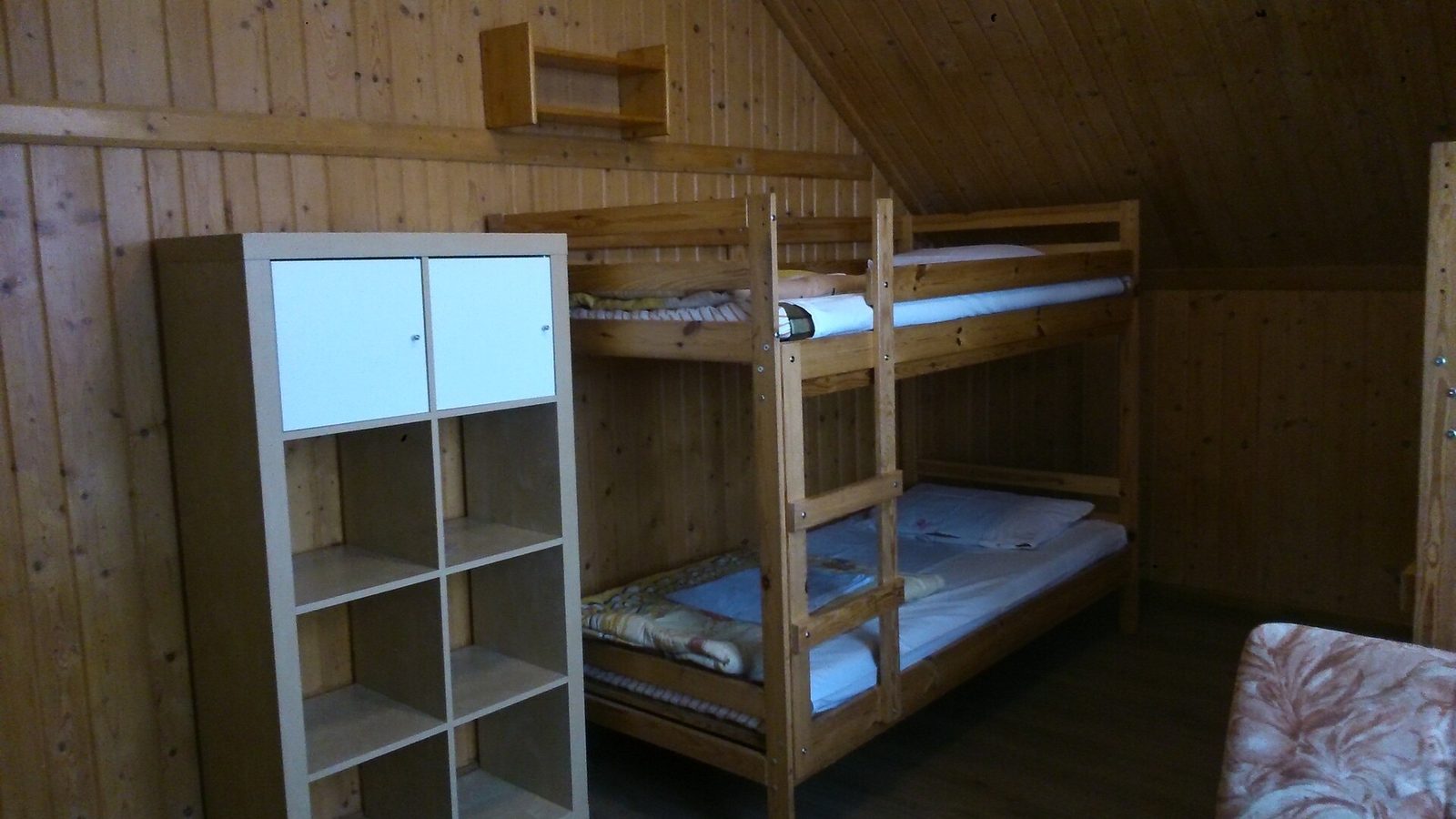
A hostel is shared accommodation built around a common room: dormitory beds and private rooms, a kitchen, staff who know the bus times, and a notice board where the next three weeks of your trip get planned. The modern ones are cleaner, quieter and more design-conscious than the word suggests, and they remain the cheapest way to sleep in every city on this site.
What the price buys
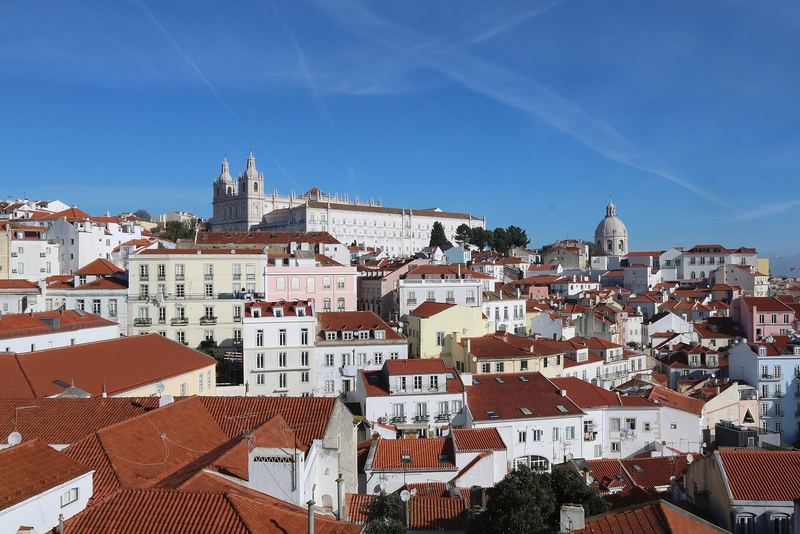
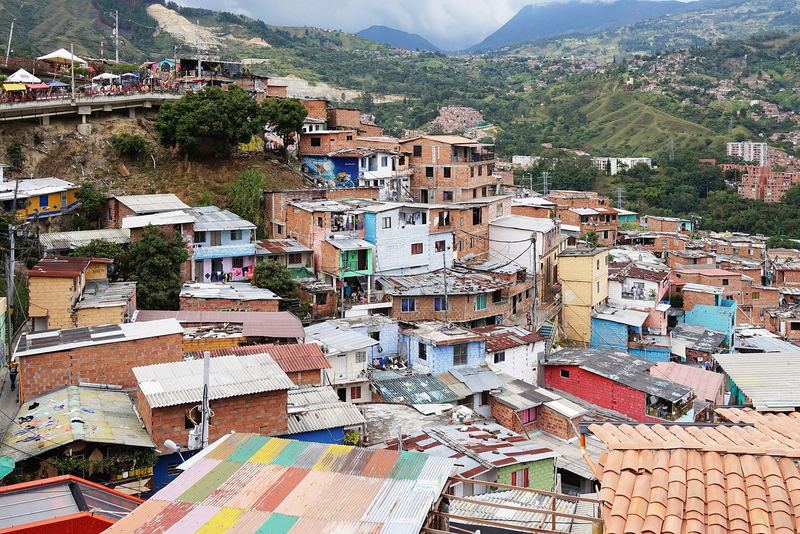
By our estimates a dorm bed costs $7 to $12 in Siem Reap, Kathmandu, Hanoi and Pai; $9 to $14 in Chiang Mai, Antigua and Medellín; $14 to $22 in Mexico City, Tbilisi, Buenos Aires and Istanbul; $22 to $35 in Budapest, Prague, Lisbon and Porto; $30 to $45 in Barcelona, Split and Tokyo. Private rooms in hostels run about double, which is still below hotels and keeps the common room.
Dorm or private
Dorms for budget and company; private rooms for sleep, work calls and anyone who has reached the age where a 3 a.m. door is a grievance. Female-only dorms exist in most hostels. Four- to six-bed dorms are calmer than twelve-bed ones; pod-style beds with curtains and lockers are the current standard in Asia and worth a dollar more.
Signs of a good one
Recent reviews that mention cleanliness and staff by name; a kitchen that is actually used; lockers that fit a laptop; a common room without a television; events that are not only bar crawls; 24-hour reception or keypad access; and a location near transport rather than near the party street. Party hostels advertise themselves honestly; take them at their word.
Etiquette
Pack and unpack outside the dorm at night, use a head torch rather than the lights, no phone calls in the room, label your food, strip the bed on checkout, and introduce yourself; the common room runs on people saying hello first.
Security
Lockers and your own padlock; valuables in the daypack with you; cash split; nothing of value visible on the bed. Hostel theft is rare and almost always opportunistic.
Booking
Book the first two nights in a new city and keep the rest open; prices on the aggregators are usually matched by booking direct after the first night. In peak season (Christmas in Southeast Asia, July and August in Europe, Carnival in Rio, Semana Santa in Antigua) book weeks ahead.
Age
There is no upper limit; the private rooms in good hostels are full of travellers in their forties, fifties and sixties who want the social machinery without the dorm. See backpacking after 40.
Research and information only, not financial, legal, immigration or medical advice. Figures are dated; verify against primary sources before acting. Portions of this site are compiled with AI-assisted research. Editorial policy · Report an error