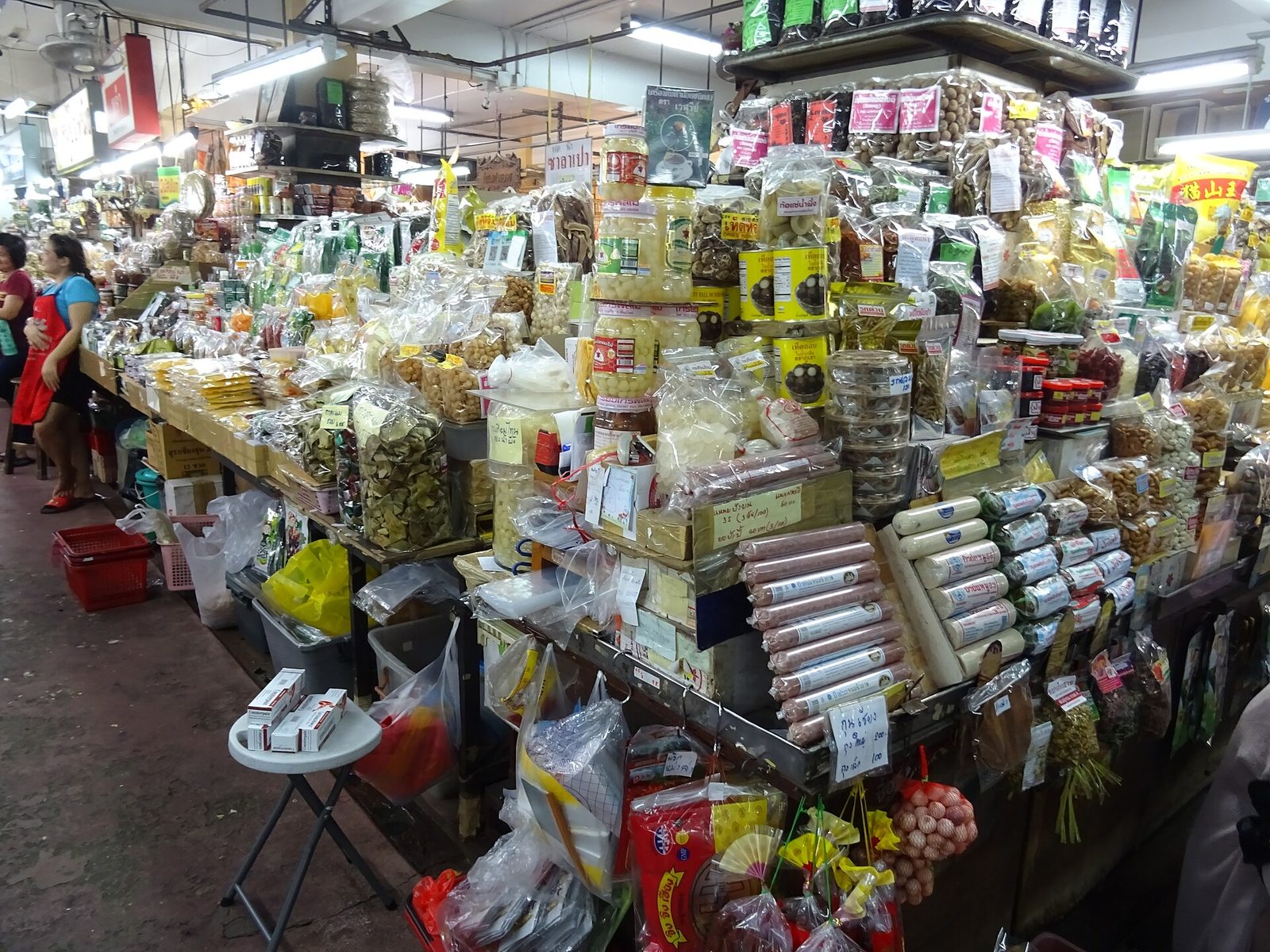
Geographic arbitrage is the simplest idea in FIRE travel: income and assets denominated in a high-cost economy, spending in a low-cost one. A portfolio that supports a thin life in San Francisco or London supports a comfortable one in Chiang Mai, Oaxaca, Tbilisi or Da Nang. The idea is old (retirees have moved to cheaper places for a century); what is new is remote income and the visa routes that make it legal.
The size of the gap
Our comfortable-tier monthly estimates (one-bedroom rent plus the non-accommodation daily figure for a month) illustrate it: roughly $3,300 in Chiang Mai, $3,900 in Oaxaca, $4,300 in Tbilisi and Medellín, $5,700 in Lisbon, $7,000 in Barcelona, $9,000 in Tokyo. The same comfort in a major US or UK city costs well above the top of that range. The table on this page (generated live from the database) shows how many months a year a $36,000 budget covers in each destination.
What arbitrages
Rent (the largest line everywhere), food, domestic help, local transport, dentistry and routine medical care, gym memberships, restaurants. The gap is widest on labour-intensive services and narrowest on imported goods.
What does not
Flights home, electronics, international schools, imported wine and cheese, cars, international health insurance, and anything priced in dollars or euros regardless of where you stand. A FIRE traveller who flies home four times a year and insures internationally can erase a third of the arbitrage.
The legal basis
Tourist entries are for tourism; several countries now offer explicit routes for this profile: Portugal's D7 and Spain's non-lucrative visas for passive income, Malaysia's MM2H, Thailand's retirement and long-term resident visas, Mexico's Temporary Resident visa with income or savings thresholds, Colombia's pension visa, Georgia's year-long visa-free stay. Each has an income floor, a tax consequence and a last-verified date in the Visa & Work Finder.
The ethics and the local effect
Arbitrage pushes up rents in the neighbourhoods foreigners favour (Lisbon, Mexico City's Roma and Condesa, Canggu and Chiang Mai's Nimman all show it). Renting outside the expat core, paying local prices without haggling for sport, and staying long enough to contribute are the decent responses; several cities are also tightening short-term rental rules in response.
Currency: the arbitrage can reverse
A 15 percent move in the exchange rate is a 15 percent pay cut in local terms. Our exchange-rate feed (daily, indicative, delayed) shows the drift; holding a year of local-currency spending and spreading life across two or three currency zones are the standard mitigations.
Run the numbers for your own portfolio in the calculator; the destination comparison at the bottom uses the same estimates as this page.
Điều gì $36,000 mỗi năm hỗ trợ, theo điểm đến
| Điểm đến | Chi phí hằng tháng (thoải mái) | Số tháng có dữ liệu mỗi năm |
|---|---|---|
| Pai | $2,356 | 15.3 |
| Kathmandu | $2,417 | 14.9 |
| Luang Prabang | $2,771 | 13.0 |
| Siem Reap | $2,782 | 12.9 |
| Da Nang | $2,821 | 12.8 |
| Chiang Mai | $2,882 | 12.5 |
| Hoi An | $2,882 | 12.5 |
| Hanoi | $2,932 | 12.3 |
| Tirana | $2,952 | 12.2 |
| Tbilisi | $3,052 | 11.8 |
| Kuala Lumpur | $3,062 | 11.8 |
| Ho Chi Minh City | $3,184 | 11.3 |
| Antigua Guatemala | $3,214 | 11.2 |
| Oaxaca | $3,325 | 10.8 |
Dữ liệu trực tiếp từ cơ sở dữ liệu điểm đến: ước tính tiền thuê căn hộ một phòng ngủ cộng với ước tính chi phí hàng ngày ngoài chỗ ở nhân với 30,4 ở mức thoải mái, tính theo ngày của từng điểm đến; không bao gồm vé máy bay và bảo hiểm. Tự tính toán theo số liệu của bạn trong Máy tính du lịch tự do tài chính.
Chỉ dành cho mục đích nghiên cứu và thông tin, không phải tư vấn tài chính, pháp lý, nhập cư hay y tế. Các số liệu có ghi ngày; hãy xác minh với nguồn chính trước khi hành động. Một phần nội dung trang web này được tổng hợp với sự hỗ trợ của nghiên cứu AI. Chính sách biên tập · Báo cáo lỗi