RoutesEurope
Three Weeks in Italy by Train
Venice to the Amalfi Coast on fast trains, with Sicily as an optional extension.
Save
Dotted path is schematic (great-circle-ish arcs between stops), not a transport route.
Stop by stop
Click a stop (or its pin on the map) for costs, country facts and what to do there.
1Venice ITExplore beyond San Marco in Cannaregio and take a vaporetto to Burano.3 nights
We do not hold a full destination profile for Venice or its country yet, so there are no cost, climate or visa figures for this stop; the route notes describe what it involves. Nearest profiled destination: Split (about 390 km).
high-speed train · about 2.5 hours
2Florence ITSee the Uffizi and Duomo, with a day trip to Siena or Lucca.4 nights
We do not hold a full destination profile for Florence or its country yet, so there are no cost, climate or visa figures for this stop; the route notes describe what it involves. Nearest profiled destination: Split (about 420 km).
regional train via Pisa and La Spezia · about 3.0 hours
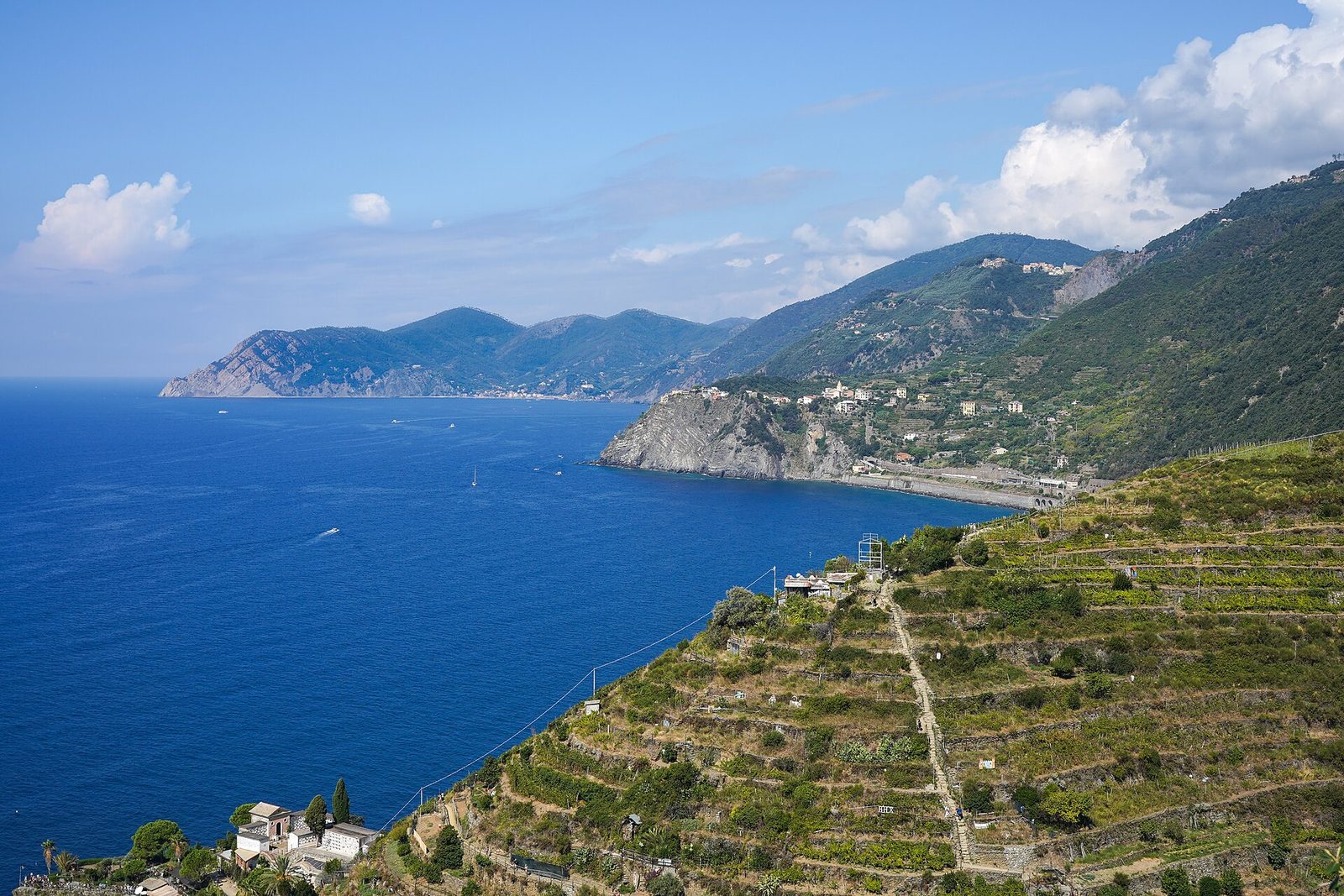
3Cinque Terre ITHop between the villages by train and walk the open coastal paths.3 nights
We do not hold a full destination profile for Cinque Terre or its country yet, so there are no cost, climate or visa figures for this stop; the route notes describe what it involves. Nearest profiled destination: Split (about 550 km).
train via La Spezia · about 4.5 hours
4Rome ITCover the Colosseum, Forum and Vatican Museums with timed tickets.4 nights
We do not hold a full destination profile for Rome or its country yet, so there are no cost, climate or visa figures for this stop; the route notes describe what it involves. Nearest profiled destination: Split (about 370 km).
high-speed train · about 1.5 hours
5Naples ITEat pizza in the historic centre and day-trip to Pompeii.3 nights
We do not hold a full destination profile for Naples or its country yet, so there are no cost, climate or visa figures for this stop; the route notes describe what it involves. Nearest profiled destination: Split (about 350 km).
train to Sorrento and bus, or seasonal ferry · about 2.5 hours
6Amalfi Coast ITWalk the Path of the Gods and take local boats between towns.3 nights
We do not hold a full destination profile for Amalfi Coast or its country yet, so there are no cost, climate or visa figures for this stop; the route notes describe what it involves. Nearest profiled destination: Split (about 350 km).
Canals and the Renaissance
The route begins in Venice, where the best hours are often early morning and evening once day visitors leave; the city charges an entry fee to day-trippers on set dates, which overnight guests are exempt from. A high-speed train reaches Florence in around two hours. Florence rewards a longer stay: the Uffizi, the cathedral dome and the Oltrarno neighbourhood are all walkable, and regional trains reach Siena, Pisa and Lucca as day trips.
The Ligurian coast and Rome
The Cinque Terre are five cliffside villages linked by a regional train and a network of coastal paths, some of which require a park card and close after storms. From there the line runs south to Rome, where four nights cover the Colosseum and Forum, the Vatican Museums and neighbourhoods such as Trastevere and Monti. Timed-entry tickets are now standard at the major sites.
Naples, Pompeii and the Amalfi Coast
Naples is louder and cheaper than the north, and the city that pizza calls home. The Circumvesuviana suburban railway runs to Pompeii and Herculaneum. The Amalfi Coast follows by train, bus or seasonal ferry, with Amalfi or Positano as a base for coastal walks such as the Path of the Gods. Sicily works as an optional extension: an overnight train from Naples or Rome runs to Palermo, and a further week there would turn the trip into a month. On the mainland, the pace allows at least one unscheduled day in Florence or Rome, which helps when museum slots or coastal paths are fully booked or closed.
Practical notes
Visas: Italy is in the Schengen Area; most Western passports currently enter without a visa for short stays, but the EU Entry/Exit System registers non-EU travellers at Schengen external borders, and the ETIAS pre-travel authorisation is scheduled to follow; check the official EU and national sources before travel. Transport: Trenitalia and Italo run competing high-speed services on the main lines, and advance fares are usually cheaper; regional tickets have fixed prices. Weather: spring and early autumn are mild; July and August are hot and the coast is at its busiest. Budget: the mid figure assumes private rooms or modest hotels, high-speed trains booked a few weeks ahead, museum entries and occasional restaurant meals. Many cities add a nightly tourist tax. Safety: generally safe; pickpocketing is the main risk on busy transport and at major sights. Check current official travel advisories.