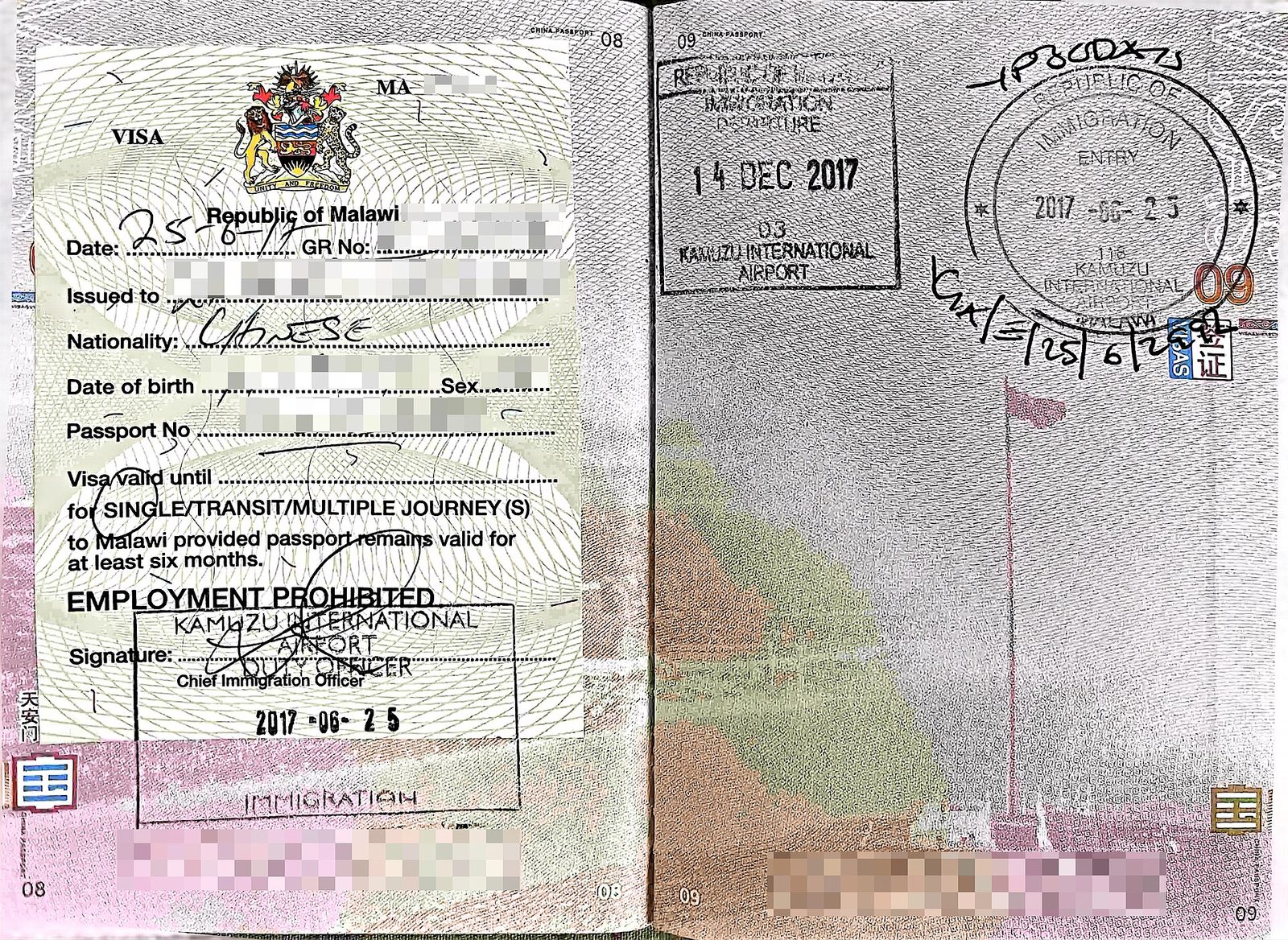
Visas are the rulebook of long-term travel: how long you can stay, whether you can work, when you have to leave, and what it costs to come back. The rules are per passport and per country, they change without notice, and only the official source governs. This guide explains the categories and the arithmetic; the Visa & Work Finder holds the specifics for 27 countries and five passport groups, each row with its official link and the date we last checked it.
The categories
- Visa-free entry: a stamp or electronic record on arrival for a set period (Mexico up to 180 days, Georgia 365, Albania 365 for Americans, Malaysia 90, Japan 90, the Schengen Area 90 in 180).
- Visa exemption with conditions: Thailand's 60 days (extendable once), Vietnam's 45 for some Europeans.
- Visa on arrival: paid at the border (Nepal, Laos, Cambodia, Indonesia), sometimes also available online.
- e-Visa: applied for and paid online before travel (Vietnam, Tanzania, Turkey for some, Brazil for US, Canadian and Australian citizens since 2025).
- Electronic travel authorisations: not visas, but required (Australia's ETA, New Zealand's NZeTA, Korea's K-ETA when in force, the EU's ETIAS when launched).
- Nomad, retirement and residence visas: longer stays with income or savings conditions, listed under "remote work" and "residence" in the finder.
Tourist entry is not a work permit
Entering as a tourist allows tourism. Working for a local employer needs a work permit everywhere; working remotely for a foreign employer sits in a grey area that some countries now address explicitly (nomad visas) and most ignore in practice. Volunteering and study often need their own categories. The finder distinguishes them.
Extensions and border runs
Many countries extend a tourist stay once at an immigration office for a fee (Thailand's 30 days, Indonesia's 30, Colombia's 90, Peru's discretion). Leaving and re-entering ("border runs") resets some clocks and not others, and immigration officers in Thailand, Indonesia and Mexico increasingly refuse serial tourists. Treat a border run as a one-off, not a strategy.
Schengen arithmetic
Non-EU visitors get 90 days in any rolling 180 across the entire Schengen Area combined (Portugal, Spain, France, Italy, Croatia, Greece, Hungary, Czechia and the rest). Days in the UK, Ireland, Albania, Montenegro, Serbia, Georgia and Turkey do not count. Count on a calendar before you book; our summer nomad circuit shows a worked example. The Entry/Exit System records entries electronically, so the count is no longer a matter of stamps.
Overstays
Fined per day in most of Asia, recorded against your passport, and in Schengen potentially a ban. Set a calendar alarm for every expiry.
Proof of onward travel
Airlines and some borders ask for it. A refundable ticket, a cheap onward bus booking or a flight out within the permitted period usually satisfies them.
How to use the finder
Choose your passport, the country and the purpose; read the category, the maximum days, the conditions, the fee where verified and the last-verified date; then open the official link, which is the only source that decides. Rows we could not verify say so: "Official eligibility verification required."
Yalnızca araştırma ve bilgi amaçlıdır, finansal, hukuki, göç veya tıbbi tavsiye niteliği taşımaz. Rakamlar tarihlendirmeye tabidir; harekete geçmeden önce birincil kaynaklara göre doğrulayın. Bu sitenin bazı bölümleri yapay zeka destekli araştırmayla derlenmiştir. Editoryal politika · Hata bildir