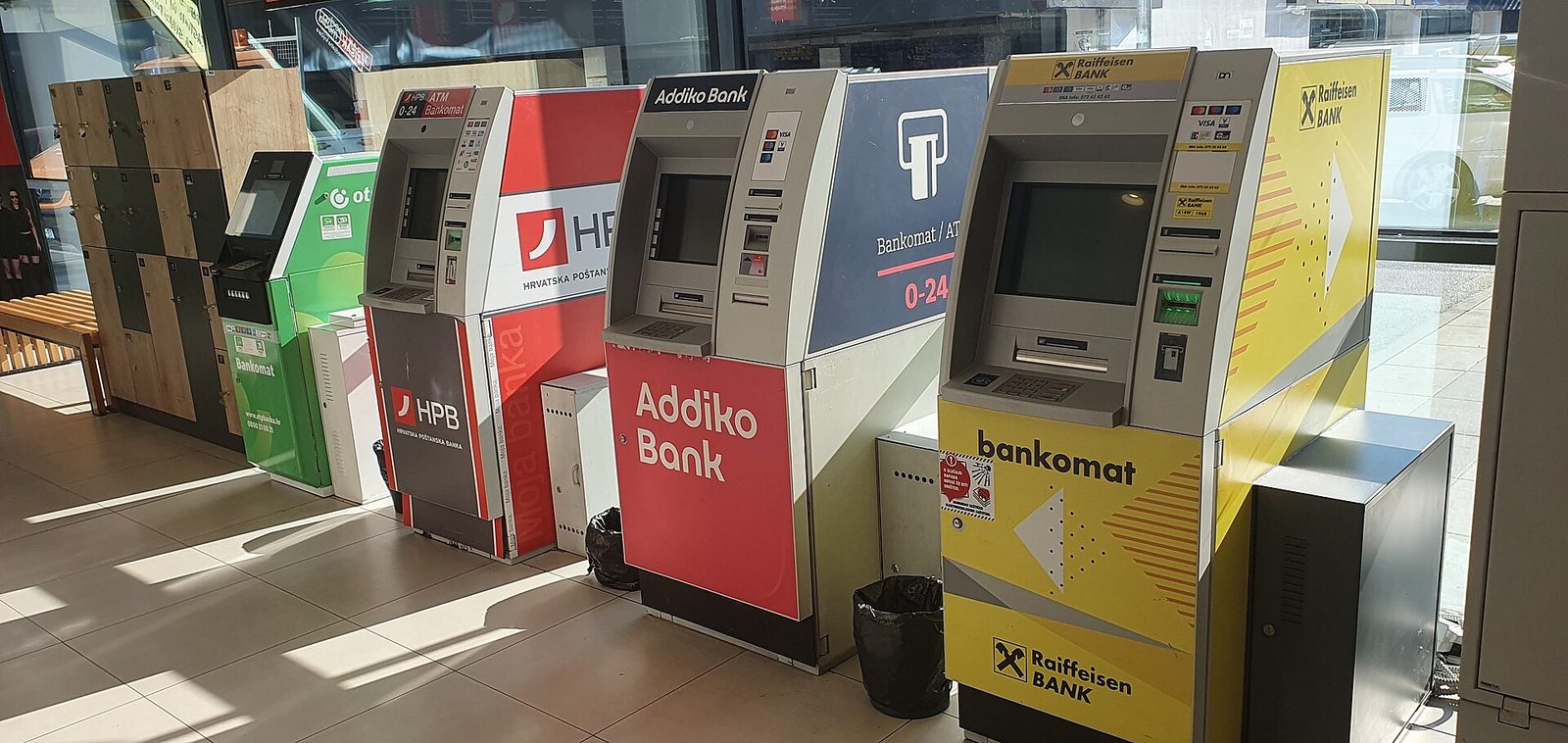
Money abroad is a tax you can mostly avoid: foreign-transaction fees of 3 percent, ATM fees of $5 a withdrawal, exchange rates padded by 5 percent at the airport, and the "dynamic currency conversion" trick at every terminal. The setup below is what long-term travellers converge on; it is general information, not a recommendation of any provider.
The card setup
- Two debit cards from two banks, at least one with no foreign-transaction fee and ATM fee rebates, kept in different places.
- One credit card with no foreign-transaction fee for hotels, flights and anything you might need to dispute, plus the travel insurance and rental cover some cards include.
- A multi-currency account (the fintech kind) for holding and spending in euros, baht or pesos at the interbank rate, and for receiving payments if you work.
- Contactless and phone payments set up before you leave; they work in Kuala Lumpur, Seoul, Lisbon and Cape Town as well as at home.
ATM strategy
Withdraw large amounts less often where fees are flat (Thailand's 220 baht, Cambodia's $4 to $5, Vietnam's per-withdrawal fee with low limits). Use bank-branch machines in daylight in Latin America and South Africa (skimming and robbery at street machines). Avoid Euronet machines across Europe (poor rates, high fees). Always decline the machine's offer to convert to your home currency: that is dynamic currency conversion and it costs 5 to 10 percent.
Cash versus card by region
Card-first: Japan (since 2020), Korea, Malaysia, Portugal, Spain, South Africa, Brazil. Mixed: Thailand, Vietnam's cities, Mexico's cities, Colombia, Turkey. Cash-first: Laos, Cambodia (dollars), Nepal, Albania, Georgia's villages, Morocco's souks, Argentina (with its own rules). Our country pages carry the specifics, including Argentina's exchange-rate saga.
Keeping accounts alive
Tell your banks you are travelling or expect blocks; move two-factor codes off a home phone number and into an authenticator app or keep the number alive on the cheapest plan; set up online access for everything before you leave; keep a trusted person with power of attorney or at least joint access for emergencies; and know that some banks close accounts of customers with no home address after a year.
Receiving money abroad
Freelancers and nomads use the multi-currency fintechs for invoicing; Western Union and similar services are the workaround in Argentina and parts of Africa where ATMs cap withdrawals; local bank accounts are usually impossible without residence (Georgia and Mexico are exceptions worth knowing).
The emergency kit
$200 in small US notes (post-2009, clean) accepted almost everywhere as emergency cash, a card kept separately from the wallet, the banks' international phone numbers saved offline, and card details stored in a password manager so a lost card can be cancelled from a borrowed phone.
Fees that are worth paying
Travel insurance; a premium account that rebates ATM fees if you withdraw often; and the occasional airport exchange of $50 to get to town. Everything else is avoidable.
Solo a scopo informativo e di ricerca, non si tratta di consulenza finanziaria, legale, migratoria o medica. I dati sono aggiornati a una certa data; verifica le fonti primarie prima di agire. Alcune parti di questo sito sono compilate con ricerca assistita dall'intelligenza artificiale. Politica editoriale · Segnala un errore