Travellers fear crime and are injured by traffic. Across the destinations in our database, the leading causes of serious harm to visitors are road accidents (above all scooters), drowning and rip currents, heat and altitude, and alcohol-related falls and spiking. Violent crime against travellers is rare in most of the classic regions and concentrated in a few cities and neighbourhoods our country pages name. This guide ranks the risks honestly and lists the habits that work.
1. Traffic and scooters
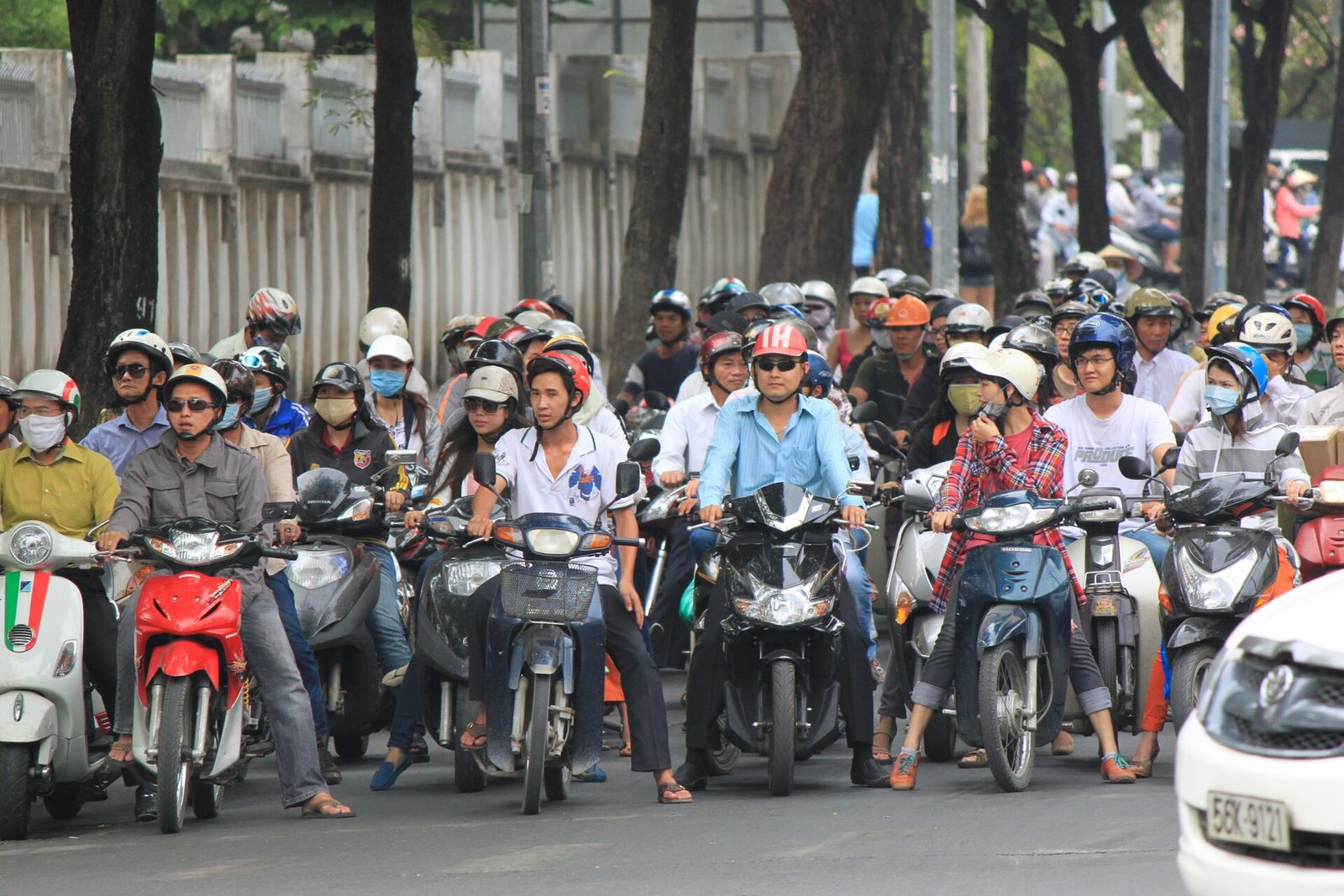
Do not ride a scooter without a licence valid for it, a helmet and insurance that covers it; most policies exclude unlicensed riders, and Thailand, Vietnam, Indonesia and Bali's hospitals are full of visitors who did. Cross roads with traffic, predictably, in Hanoi and Ho Chi Minh City. Use seat belts where they exist. Avoid night buses on mountain roads in Peru, Bolivia and Nepal when a day bus or a flight exists.
2. Water
Rip currents kill on Bali's west coast, Da Nang's beaches in the rainy season, Portugal's Atlantic and Cape Town's beaches; swim where there are flags and lifeguards. Methanol in home-made spirits has killed travellers in Laos, Indonesia and Vietnam; drink sealed, branded alcohol.
3. Heat, sun and altitude
Heat exhaustion in Bangkok, Siem Reap and Marrakech in the hot months; sunburn everywhere near the equator and at altitude; acute mountain sickness in Cusco, La Paz and Kathmandu's trekking regions. Ascend slowly, hydrate, rest in the middle of the day, and carry insurance that covers altitude.
4. Drink spiking and nightlife
Scopolamine druggings via drinks and dating apps in Medellín, Bogotá and Cartagena; spiked drinks in Bali's Kuta, Bangkok's Khao San and Playa del Carmen's clubs; bar-bill scams in Istanbul's Taksim and Budapest's Váci utca. Watch your drink, go out in company, and never follow a friendly stranger to a bar they chose.
5. Theft
Phone snatching from motorbikes in Hanoi, Ho Chi Minh City, Phnom Penh, Bogotá and Rio: keep the phone off the kerb side. Pickpockets on Barcelona's metro, Lisbon's tram 28, Prague's tram 22, Athens' airport line and Rome's buses. Bag theft on night buses in Peru and Bolivia: valuables on your lap. Villas and guesthouses with open layouts in Bali. The rules: nothing in back pockets, a padlock, a daypack that stays with you, copies of documents in the cloud.
6. Transport scams
Unlicensed taxis in Lima, Mexico City and Bangkok's airport; rigged meters in Hanoi and Istanbul; tuk-tuk "tours" in Bangkok and Siem Reap. Apps (Grab, Uber, Bolt, DiDi, Cabify, inDrive) solve almost all of it; our destination pages list which app works where.
7. Places to avoid
Our country pages carry the current U.S. State Department advisory level and date, link the UK FCDO advice, and name the specific regions under warning (southern Thailand's border provinces, Colombia's border zones, Peru's VRAEM, Mexico's high-level states, Georgia's breakaway regions). Read the state or region level, not the country headline.
8. The habits
Register with your embassy for long stays; share your route with someone at home; carry the insurance assistance number; keep an emergency fund; trust the instinct that says leave; learn the emergency numbers (they are on each country page); and remember that the overwhelming majority of the millions who travel these routes each year come home with nothing worse than a sunburn.
Research and information only, not financial, legal, immigration or medical advice. Figures are dated; verify against primary sources before acting. Portions of this site are compiled with AI-assisted research. Editorial policy · Report an error