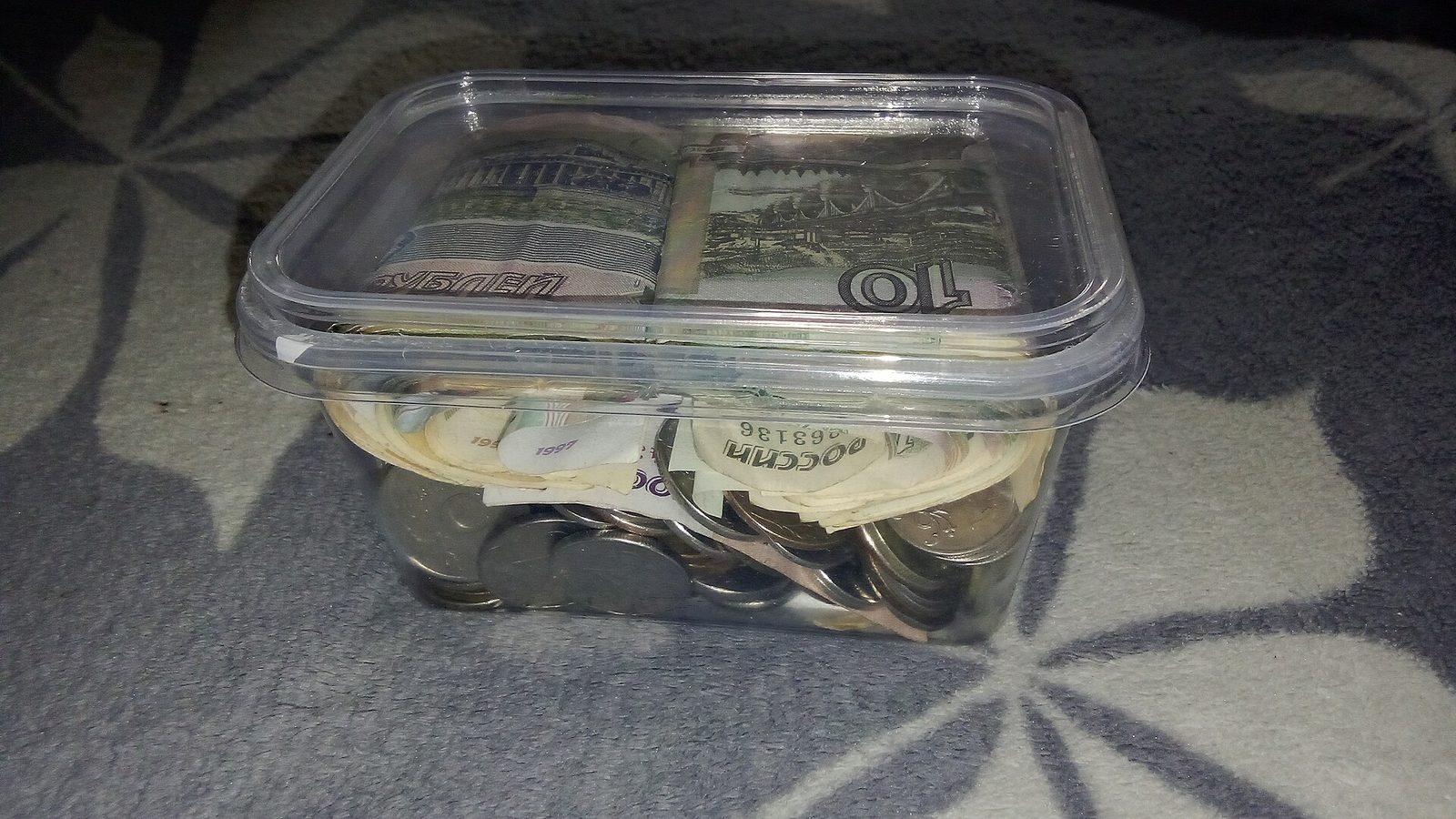
A long trip is bought in the year before it. The arithmetic is simple (target divided by months equals the monthly saving) and the execution is a short list of large decisions rather than a long list of small ones.
Set the target
Build it from the trip: destinations and tiers in the Trip Cost Calculator or the money-last tool, plus flights, insurance, gear, the big experiences, the home costs that continue, a reserve and the landing month. The worked budgets give a sense of scale: about $10,000 for six cheap months, $45,000 to $55,000 for a mid-range mixed year.
The three expenses that move the needle
Housing, transport and going out. Moving to a cheaper room or in with family for the final six months, selling the car, and halving restaurant and bar spending do more than every coffee you skip combined. Most people who save a travel fund in a year do it by changing one of the three.
Sell and let
Furniture, electronics, the second bike, the car: a year of storage often costs more than replacing the item later. If you own, let the flat furnished for the duration; if you rent, give notice and store the essentials. The sale of a car funds a month of travel in most of Asia.
Side income
A second job in the saving year is miserable and effective; freelance skills you can carry (writing, design, code, teaching, bookkeeping) are better, because they continue on the road and become the nomad income if the trip turns into a life.
Automate and hide it
A separate account at a different bank, a standing order on payday, no card attached. The fund you cannot see is the fund that survives.
Cut the trip's fixed costs before it starts
Book the long flights early, buy annual-equivalent insurance once rather than monthly, carry a bag that fits the cabin, and move two-factor codes and subscriptions off anything that will keep charging you.
Do not
Fund a trip on credit cards, raid a pension, or sell long-term investments in a bad market. The trip is worth less than the compounding you lose.
While travelling
The saving continues on the road through pace: monthly rentals, cooking, overland transport and fewer moves. See slow travel vs fast travel.
Research and information only, not financial, legal, immigration or medical advice. Figures are dated; verify against primary sources before acting. Portions of this site are compiled with AI-assisted research. Editorial policy · Report an error