A gap year is a year with a shape. The ones that go wrong are not the ones with too little money; they are the ones with no structure, where month four looks like month one and the return arrives as a shock. This guide walks the eight decisions in order; the Build My Gap Year tool turns them into a plan with a savings timeline.
1. When, and how long
Before university, after graduation, or between jobs each has a different budget and a different return problem. Twelve months is the classic; six or nine months is often better value because the first three teach most of the lessons. Fix a departure month that lands you in a good season for your first region (the month pages show which), and work backwards to a savings deadline.
2. The money
Decide the total first, then the monthly figure, then the tier it buys. Our estimates put a backpacker month at roughly $800 in mainland Southeast Asia, $1,100 to $1,400 in Latin America, and $1,700 to $2,200 in Europe. A working block changes the arithmetic entirely: three months of working-holiday wages in Australia, New Zealand or Canada can fund six months in Asia. How much to save works the numbers.
3. Work
Working-holiday visas are the legal route: Australia, New Zealand, Canada, Japan, South Korea, Ireland and a dozen European countries run reciprocal schemes for 18-to-30 (sometimes 35) year-olds. Eligibility depends entirely on your passport. The Visa & Work Finder lists the programmes that name your nationality with age limits, durations and official links. Teaching English without a degree and a permit is possible in places and illegal in most; know which.
4. Study
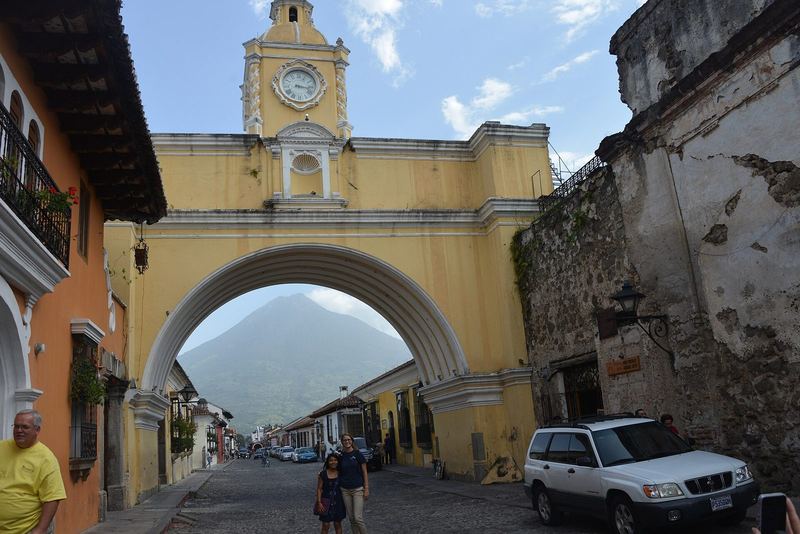
Language immersion is the highest-value month of most gap years: one-to-one Spanish in Antigua or Oaxaca for a few dollars an hour with a homestay; Portuguese in Lisbon; Japanese or Korean on a term-length student visa. A course also gives the year a place to begin.
5. Volunteering
Do it through organisations that publish child-protection and safeguarding policies, charge transparently, and employ local staff; never orphanage tourism. Conservation, teaching conversation (not classroom teaching without training), farm stays and community projects are the defensible categories. Expect to pay for your keep.
6. The route
One or two regions, not five. A classic twelve-month shape: a language month, two to three months overland in that region, a working block, then a long second region. The Route Builder and the route library supply the geography; the gap-year tool supplies the calendar.
7. Paperwork
Passport valid six months beyond the return, visas and working-holiday applications started three months out, insurance for the whole year with work and adventure cover, vaccinations eight weeks ahead, two bank cards, a deferral or sabbatical letter in writing, and a phone that is unlocked.
8. The return
Plan it before you leave: a landing month of money, a CV that frames the year (languages, independence, budgeting, a job abroad), and references from anyone who employed you. Universities and employers respond well to a gap year with a shape and badly to one without. See Coming home.
Hanya untuk riset dan informasi, bukan saran keuangan, hukum, imigrasi, atau medis. Angka-angka memiliki tanggal; verifikasi ke sumber utama sebelum mengambil tindakan. Sebagian situs ini disusun dengan bantuan riset berbasis AI. Kebijakan editorial · Laporkan kesalahan