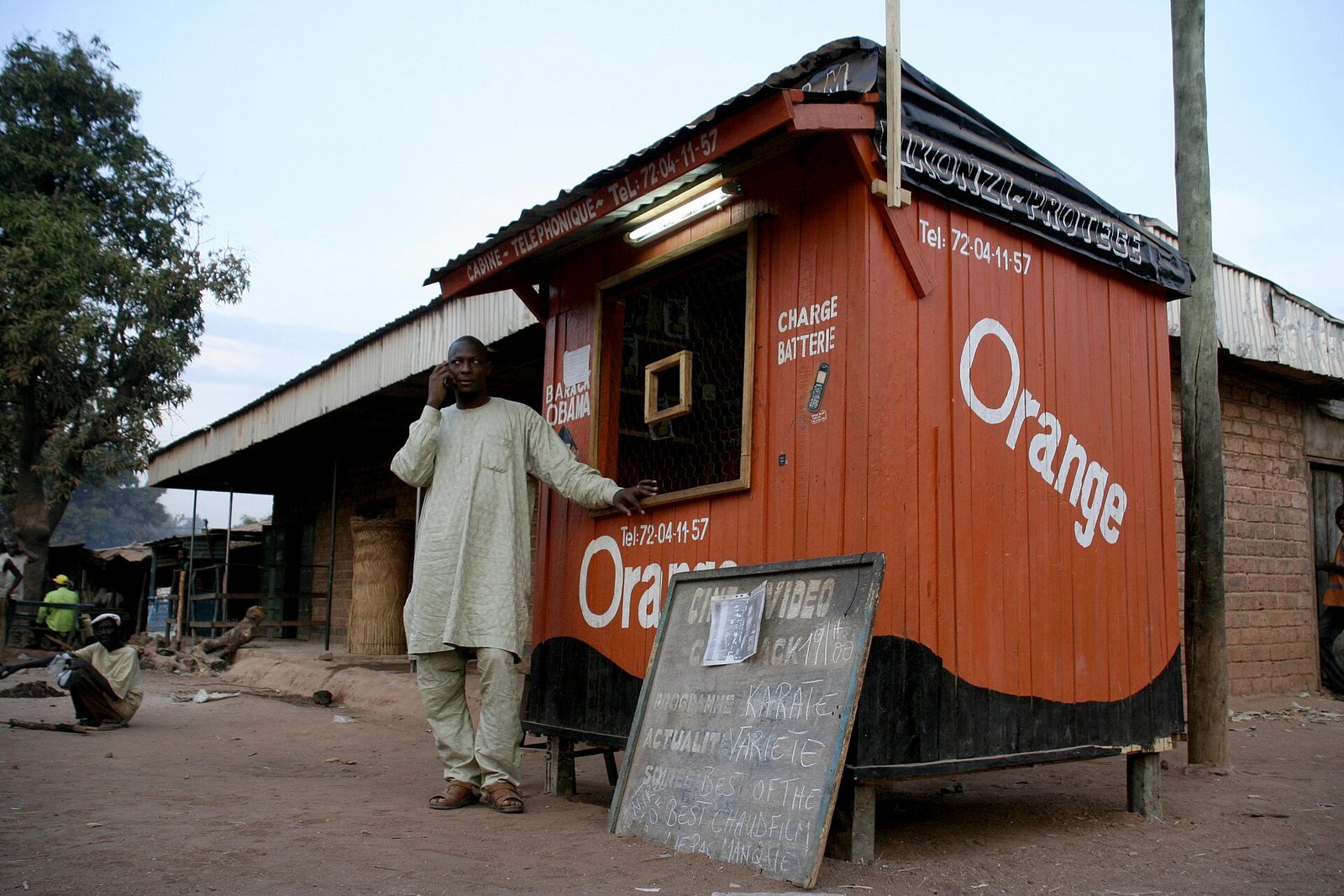
Connectivity used to be the first chore in every country: find a kiosk, hand over a passport, hope the SIM worked. eSIMs have removed most of that, local SIMs remain the cheapest option for long stays, and the right answer for a long-term traveller is usually both.
eSIMs: convenience at a premium
A regional or global eSIM bought online before landing (Airalo, Holafly, Nomad, Ubigi and the carriers' own) connects at the gate for $5 to $20 per gigabyte or $20 to $60 for unlimited regional plans. Perfect for the first days, short stays and multi-country routes; expensive for a month of heavy use. Most need a phone bought in the last five years and unlocked.
Local SIMs: the long-stay choice
A local operator's tourist SIM or eSIM gives the best coverage and the lowest price: Thailand's AIS and True (unlimited-data tourist packs for $10 to $20 a month), Vietnam's Viettel ($5 to $10 for weeks of data), Malaysia's Maxis and CelcomDigi, Indonesia's Telkomsel, Mexico's Telcel, Colombia's Claro, Georgia's Magti, Turkey's Turkcell (pricier, and phones must be registered after about 120 days). Our country pages name the operators and the quirks (Indonesia's IMEI registration, South Africa's RICA, Turkey's registration fee).
Data as the backup line
Remote workers should treat mobile data as the second internet: a phone that can hotspot a laptop through a two-hour outage is the difference between a missed call and a missed client. Our destination pages give typical fixed-line speeds (editorial) and the cities where guesthouse Wi-Fi disappoints (Pai, Luang Prabang, Bali's cheaper rooms, Zanzibar, Kathmandu).
Keeping the home number
Banks, governments and two-factor codes still send SMS to the number they know. Keep it alive on the cheapest plan with the physical SIM in a second slot or an old phone, or port it to a service that forwards SMS, or move every account you can to an authenticator app before departure.
Travel routers and VPNs
A pocket travel router turns a hostel's captive-portal Wi-Fi into a private network for all your devices and makes smart TVs and printers behave; a VPN keeps banking and work traffic private on shared networks and reaches services blocked in a few countries.
Coverage reality
4G and 5G are excellent in every city in our database and most towns; they fade on trekking routes (the Khumbu has its own paid Wi-Fi network, Everest Link), small islands, the Laotian mountains and Patagonia. Download maps and language packs before you need them.
Nur zur Information und Recherche, keine Finanz-, Rechts-, Einwanderungs- oder Medizinberatung. Angaben sind datiert. Vor dem Handeln anhand primärer Quellen prüfen. Teile dieser Website werden mit KI-gestützter Recherche zusammengestellt. Redaktionelle Richtlinien · Einen Fehler melden