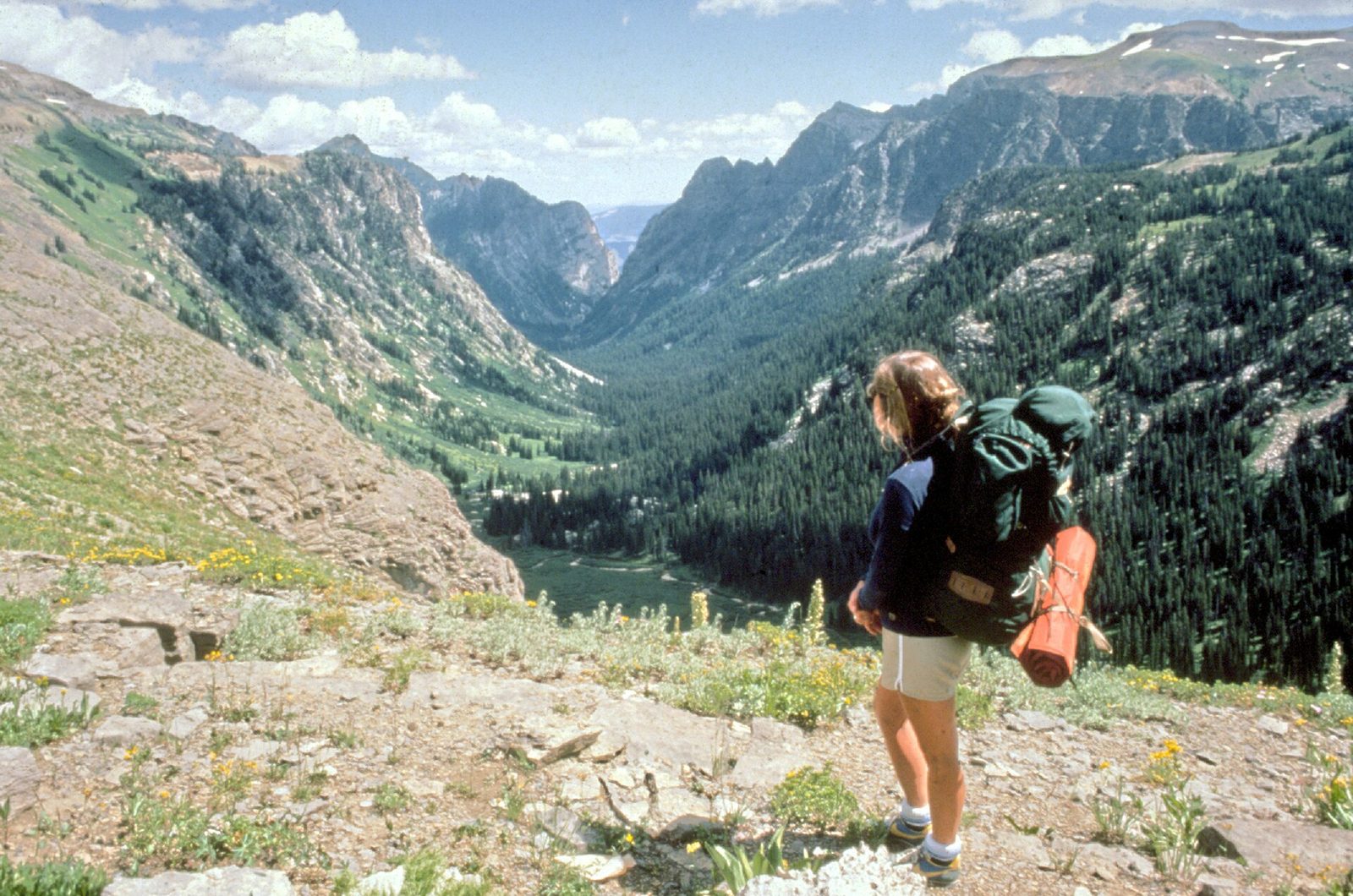
Backpack size is the first decision that shapes every other one. Too big and you fill it; too small and you buy things on the road and carry a second bag. For most long-term travellers the answer is 35 to 45 litres, and the reasoning is practical rather than ascetic.
The case for 35 to 45 litres
A 40-litre bag fits inside most airlines' carry-on limits (check the dimensions; weight limits of 7 to 10 kg on Asian and European budget carriers are the real constraint), slides under bus seats, goes on your lap in a minivan, climbs hostel stairs without a fight and discourages the third pair of shoes. Packed with a week of clothes, toiletries, a laptop and a daypack, it weighs 8 to 11 kg. Our packing list builder estimates volume and weight for your trip and flags when a 40-litre bag is not enough.
When to go bigger
Cold climates (a down jacket and thermals add 4 to 5 litres), multi-day trekking with your own sleeping bag, camping, and family travel. Even then, 50 to 55 litres is the ceiling for a bag you carry every few days; a 65-litre expedition pack is for porters and base camps.
What to look for
- Front or panel loading (opens like a suitcase) beats top loading for city travel; you stop unpacking everything to reach the bottom.
- A hip belt that carries weight, lockable zips, a stowable harness for flights, and a rain cover.
- Weight under 1.5 kg empty; some travel packs weigh 2.5 kg before you add anything.
- Fit over features: torso length matters more than pocket count. Try it loaded.
The daypack
A packable 15 to 20 litre daypack handles day trips, flights (as the personal item) and the laptop. Carry valuables there, never in the main bag on buses.
Packing cubes and the rest
Three cubes (clothes, underwear and socks, electronics) turn a backpack into drawers. A dry bag for electronics in the monsoon, a padlock, and nothing else that promises to organise your life. See carry-on only backpacking for the full method.
Nur zur Information und Recherche, keine Finanz-, Rechts-, Einwanderungs- oder Medizinberatung. Angaben sind datiert. Vor dem Handeln anhand primärer Quellen prüfen. Teile dieser Website werden mit KI-gestützter Recherche zusammengestellt. Redaktionelle Richtlinien · Einen Fehler melden