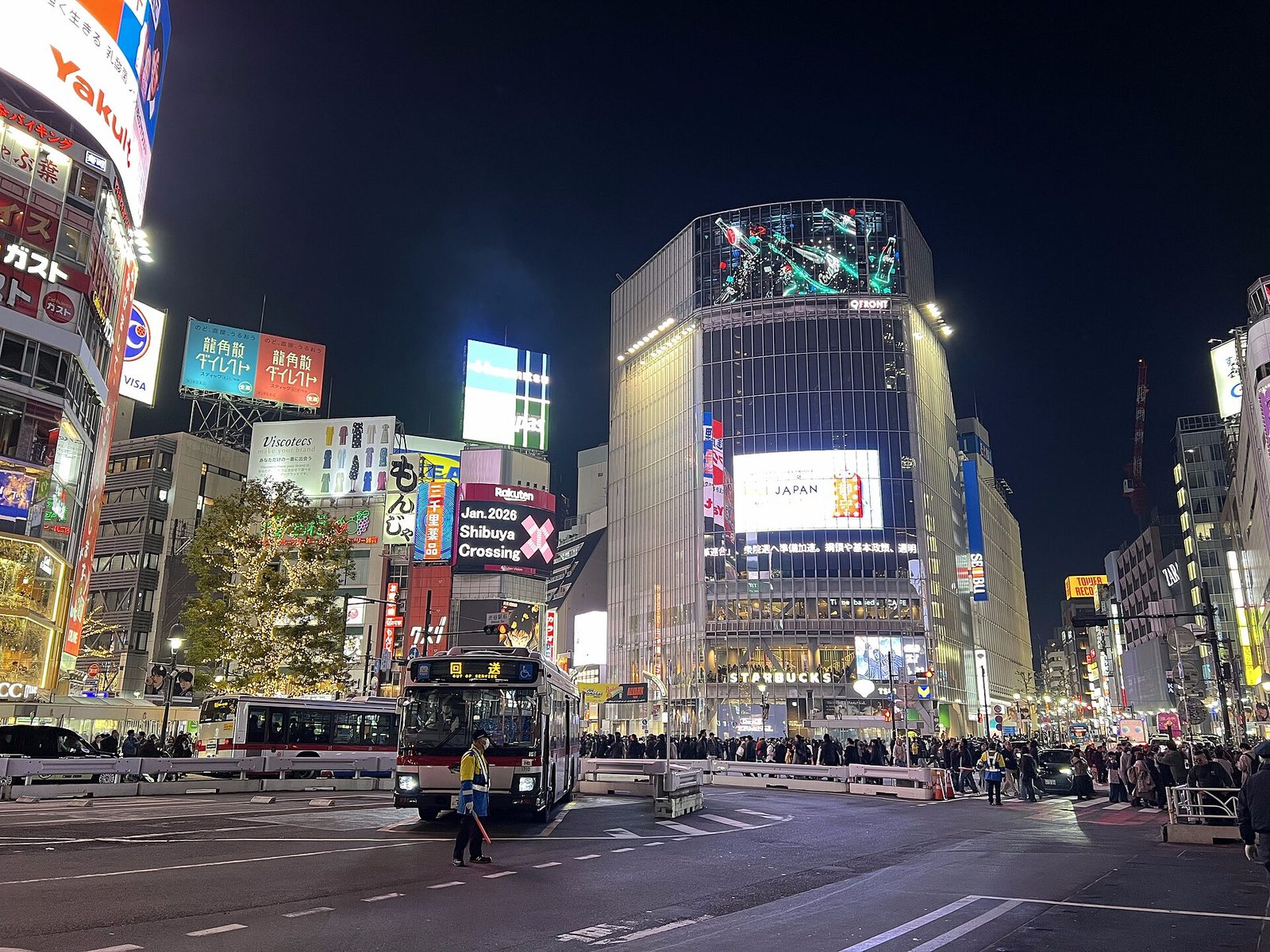
 Photo: Asanagi · CC0
Overview
Tokyo is forty million people organised into villages: Shimokitazawa's vintage shops, Yanaka's temple lanes, Koenji's live houses, Nakameguro's canal cafes, Shinjuku's neon and the hushed back streets of Kagurazaka. Trains arrive to the second, convenience stores sell meals that would embarrass restaurants elsewhere, and since the yen's decline a city that once drained budgets has become merely expensive by European standards and cheap at the bottom end, where a 1,000-yen bowl of ramen is a complete evening.
Why visit
Because no other city rewards aimless wandering so reliably, and because Japan's long-stay logistics (safety, transit, food, hostels) are the best in the world.
Budget breakdown
Capsule and hostel beds 3,000 to 5,000 yen; business hotels 8,000 to 14,000 yen; monthly share-house rooms 60,000 to 100,000 yen. Ramen 1,000 yen, convenience-store meals 500 to 800 yen, set lunches 1,000 to 1,500 yen, a metro ride 180 to 320 yen. Alcohol in izakayas adds up fast; convenience-store highballs do not.
| Per person per day | Backpacker | Mid-range | Comfortable |
|---|---|---|---|
| Accommodation | $30 | $95 | $220 |
| Food and drink | $20 | $40 | $80 |
| Local transport | $7 | $10 | $20 |
| Activities and sights | $8 | $15 | $30 |
| Other (SIM, laundry, sundries) | $5 | $8 | $12 |
| Daily total | $70 | $168 | $362 |
| Monthly (30 days) | $2,100 | $5,040 | $10,860 |
Tiers: Backpacker = dorm beds or basic guesthouses, street food and local transport; Mid-range = private rooms, a mix of restaurants and self-catering, occasional taxis; Comfortable = boutique hotels or apartments, restaurants most meals, taxis and tours.
In local currency, mid-range daily total: 26,522 JPY at 157.87 JPY/USD (Financial Modeling Prep (indicative mid), Nov 05, 2026, indicative, delayed).
Provenance: Digital Backpacker research desk, as of October 2026, confidence medium. Editorial estimate: typical per-person daily spend compiled from published hostel, guesthouse and hotel rate ranges, menu and street-food prices and local transport fares observed in 2026, rounded to the nearest dollar. USD per person per day; indicative planning figure, not a live price.
Monthly estimates: rent $1,200 (furnished one-bedroom, central district), coworking $250 (hot desk). Same date, source and confidence as above.
Build a full trip budget → $10,000 lasts about 2.0 months here at the mid-range tier · compare
Weather and best time to visit
Four clear seasons. Cherry blossom late March to early April; mild, pleasant May; a rainy season (tsuyu) in June; a hot, humid summer in July and August (35°C with no relief); typhoon risk from August to October; glorious crisp autumn in October and November; cold, dry, sunny winters.
Best time: Late March to May and October to November.
| Month | Avg high °C | Avg low °C | Rain mm | Rain days | Season |
|---|---|---|---|---|---|
| January | 9.8 | 1.2 | 60 | 4.5 | |
| February | 10.9 | 2.1 | 56 | 5.2 | shoulder |
| March | 14.2 | 5.0 | 116 | 9.2 | best |
| April | 19.4 | 9.8 | 134 | 9.5 | best |
| May | 23.6 | 14.6 | 140 | 10.1 | best |
| June | 26.1 | 18.5 | 168 | 11.6 | |
| July | 29.9 | 22.4 | 156 | 10.5 | avoid |
| August | 31.3 | 23.5 | 155 | 7.9 | avoid |
| September | 27.5 | 20.3 | 225 | 11.0 | shoulder |
| October | 22.0 | 14.8 | 235 | 10.5 | best |
| November | 16.7 | 8.8 | 96 | 7.4 | best |
| December | 12.0 | 3.8 | 58 | 5.2 | shoulder |
Climate normals: WMO World Weather Information Service / Japan Meteorological Agency, station Tokyo. Long-term monthly averages, not a forecast. Best, shoulder and avoid labels are editorial.
Where to stay
Asakusa and Ueno for hostels and old Tokyo; Shinjuku and Shibuya for nightlife and transit; Nakameguro, Shimokitazawa and Koenji for neighbourhood life; share houses (Sakura House, Oakhouse, Borderless) for monthly stays without a Japanese guarantor.
Neighbourhoods
Shinjuku (transit, nightlife), Shibuya (youth, shopping), Asakusa (old town, hostels), Nakameguro and Daikanyama (cafes, design), Shimokitazawa (vintage, theatre), Koenji and Kichijoji (west-side neighbourhood life), Ginza (luxury).
Food
Ramen, soba, tonkatsu, kaiten sushi (conveyor belt) for value, depachika food halls for picnics, standing sushi bars in Tsukiji's outer market, yakitori under the tracks at Yurakucho, and the convenience-store onigiri that sustains every traveller. Lunch sets are the budget secret.
Getting around
The JR Yamanote loop and the metro cover everything; a Suica card on your phone pays for all of it. Narita Express or Keisei Skyliner from NRT; the monorail from HND. Shinkansen to Kyoto in 2 hours 15 minutes; overnight buses (Willer) for a third of the price.
Things to do
By travel style
One destination database, seven views. Fit is an editorial score out of five.
Doable on $70 a day with hostels, convenience stores and lunch sets; the yen's weakness has made Japan the most accessible it has been in decades.
The Working Holiday visa (UK, Canada, Australia, most of Europe; not the US) makes a legal year in Japan possible, with ski-resort and hostel work common.
Superb infrastructure, high rents and a hard time zone for Western clients; share houses and the new nomad status have opened the door a crack.
A culture shock worth scheduling after Southeast Asia; the JR network makes a month across Japan simple to plan.
Wonderful for extended visits within the 90 days; Japan offers no retirement visa and long-term residence is hard without work or family ties.
Language schools (three-month student visas), Zen temple stays, craft apprenticeships and pilgrim trails give a sabbatical structure.
Safe, clean, punctual and respectful, with business hotels under $80 and trains that remove every logistical worry. Summer heat is the only caution.
Practical
Safety
Among the safest cities on earth. Earthquakes are the hazard; download the Safety Tips app and note evacuation signage. Touts in Kabukicho lead to overcharging bars; ignore them.
Common scams
Essentially none beyond Kabukicho's bar touts and the occasional rigged 'all you can drink'.
Connectivity and remote work
Fibre everywhere; cafe Wi-Fi is less universal than you expect, so an eSIM matters. Coworking is plentiful but pricier (from 2,000 yen a day; WeWork, Regus and local spaces); many libraries and cafes work.
Expensive by Asian standards but increasingly viable: share houses solve housing, the nomad visa exists for high earners, and the Working Holiday scheme lets under-31s from eligible countries work legally. Time zone suits Asia-Pacific employers; brutal for European ones.
- Typical fibre
- 300 Mbps
- Coworking
- 4/5
- Community
- 3/5
- Long-stay visa
- 90-day visitor; 6-month digital nomad status for high earners; Working Holiday for eligible nationalities
Editorial assessment (October 2026).
Language
Japanese. English signage in transit is excellent; spoken English is limited outside hotels. Translation apps and patience work; learning hiragana and twenty phrases pays off.
Cultural etiquette
Quiet on trains, no eating while walking, shoes off indoors, no tipping, queue precisely, carry your rubbish, cash in the tray not the hand, tattoos may bar you from onsen.
Insurance and health
Excellent hospitals; many will not treat without proof of payment, so carry insurance with direct billing or a credit card with a high limit.
Visa information
90 days visa-free as a temporary visitor for most Western passports; the 6-month digital nomad status (2024) requires income over 10 million yen and private insurance; Working Holiday visas for eligible countries (not the US).
| Passport | Tourist entry | Days | Checked |
|---|---|---|---|
| US | Visa-free (temporary visitor) | 90 | Oct 2026 · official ↗ |
| GB | Visa-free (temporary visitor) | 90 | Oct 2026 · official ↗ |
| DE | Visa-free (temporary visitor) | 90 | Oct 2026 · official ↗ |
| CA | Visa-free (temporary visitor) | 90 | Oct 2026 · official ↗ |
| AU | Visa-free (temporary visitor) | 90 | Oct 2026 · official ↗ |
Remote work: Digital Nomad (Designated Activities). Six-month status for remote workers from countries with a visa-exemption and tax-treaty arrangement with Japan; annual income of at least JPY 10 million and private health insurance required; not renewable within the same year. official source ↗
Summaries for research with the official source linked; not eligibility decisions. Check your passport in the Visa & Work Finder →
Routes through Tokyo
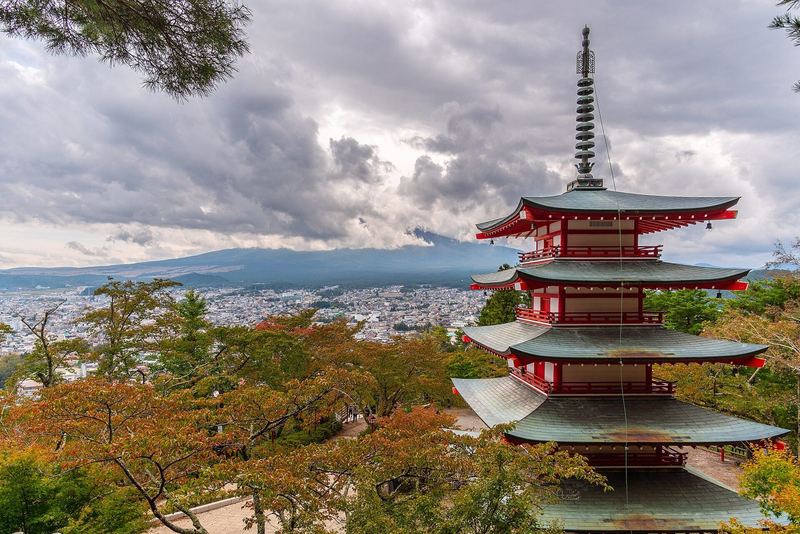
One Month in Japan
Tokyo to Kyushu with a rail pass that is actually worth it.
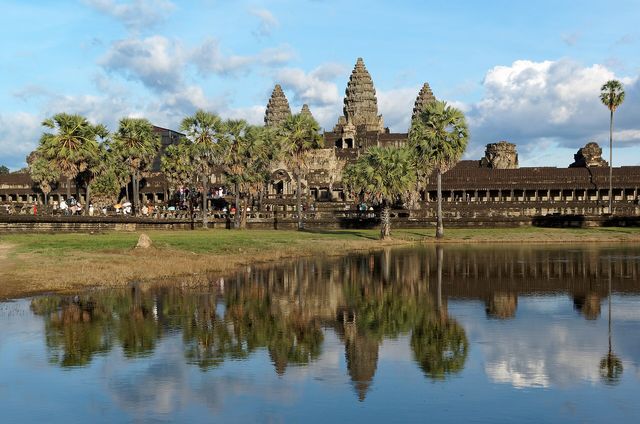
Three-Month Career Break in Asia and the Pacific
Japan and Korea in autumn, Southeast Asia in the dry season, New Zealand in summer.
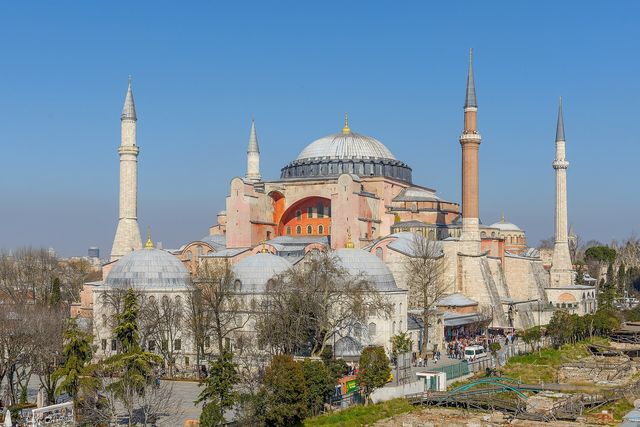
Three Months Around the World
An eastbound loop across five continents in about 90 days.
Six-Month Asia Nomad Circuit
Month-long bases from Seoul to Bali, timed to follow the dry, mild seasons.
Six Months Around the World
Westbound with the seasons: Europe, Asia, the Pacific and the Americas.
One-Year World Trip
Twelve months, five continents, a season in each.

Related destinations
 Japan
Kyoto
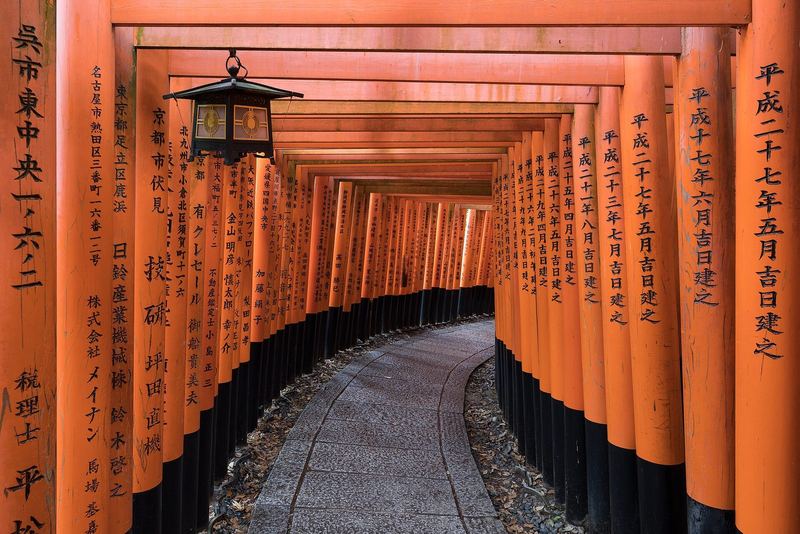
Two thousand temples, a thousand years of capital, and back lanes the tour buses never reach.
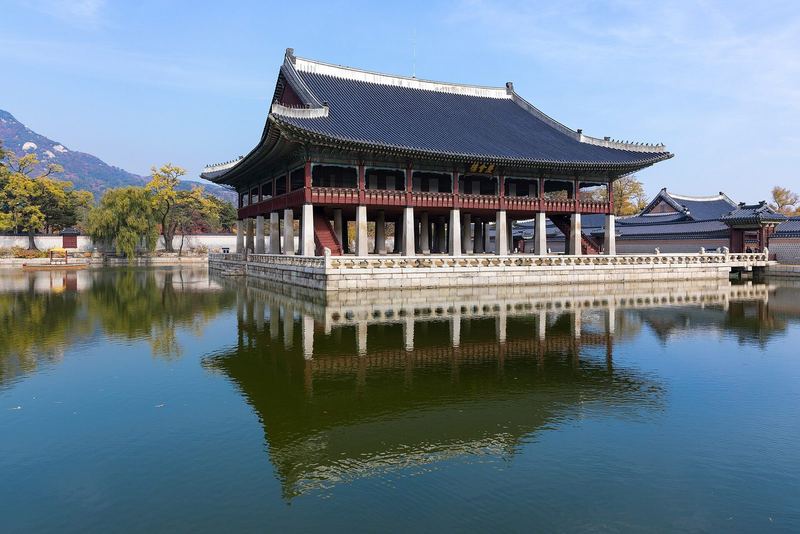 South Korea
Seoul
Mountains inside the city limits, the fastest internet on earth, and a 24-hour food culture.
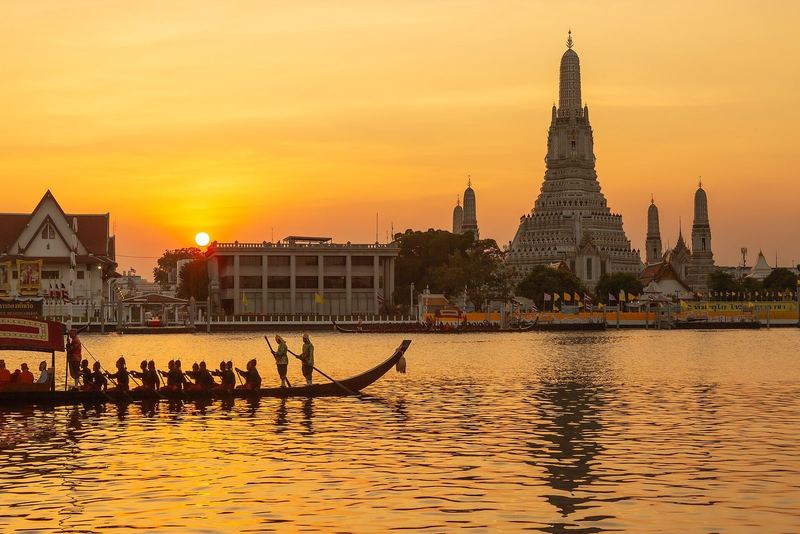 Thailand
Bangkok
The hinge of Southeast Asia: everyone passes through, and the smart ones stay a while.