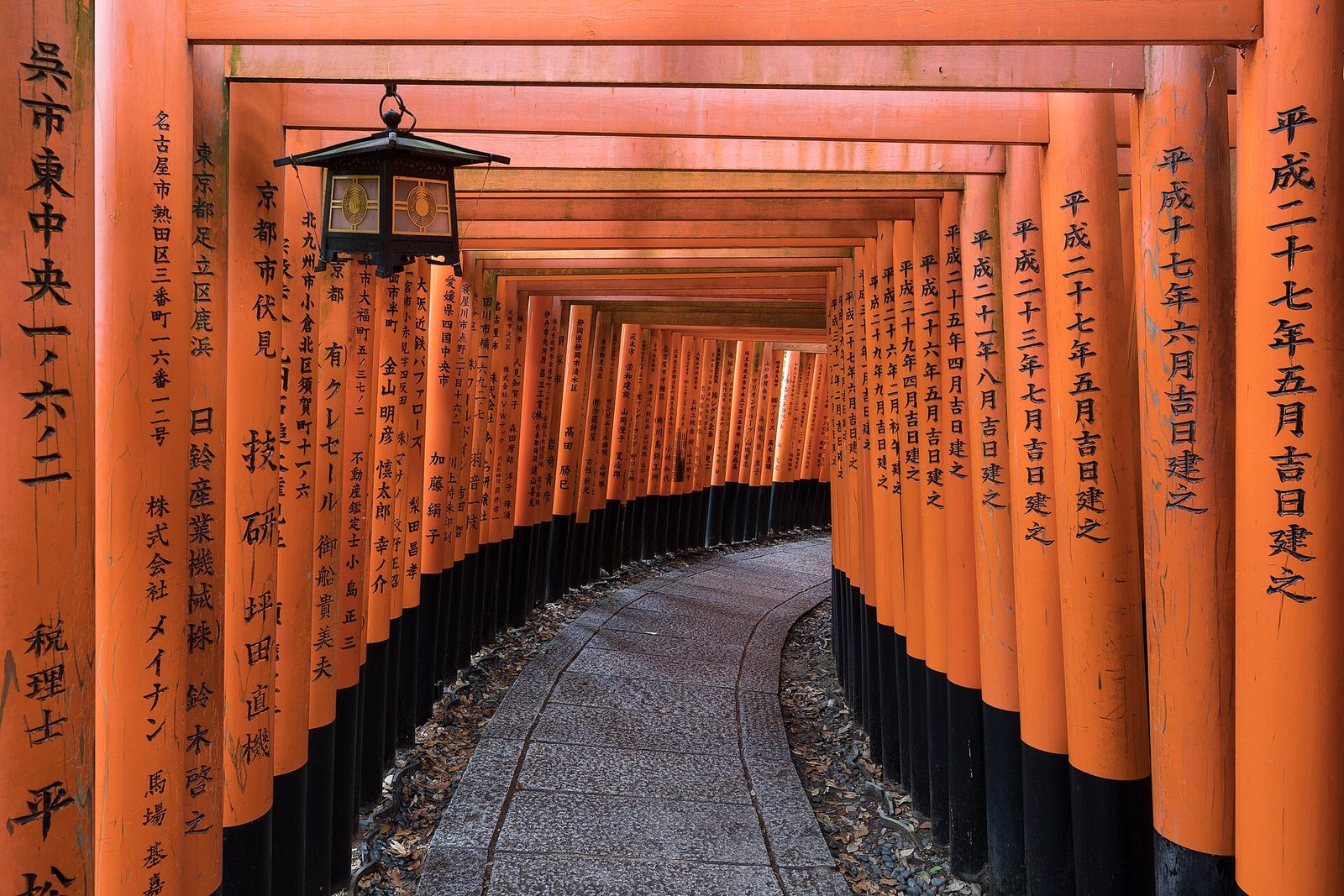
Kyoto
Two thousand temples, a thousand years of capital, and back lanes the tour buses never reach.
Salva
Panoramica
Kyoto was Japan's capital for over a millennium and it still behaves like one: seventeen UNESCO sites, geisha districts, Zen gardens raked each dawn, and a grid of machiya townhouses now turned into cafes, ryokan and craft studios. The famous sights (Fushimi Inari, Kinkaku-ji, Arashiyama's bamboo) are overrun by mid-morning; the city's genius is in the neighbourhood temples, the Philosopher's Path at 7 a.m., the Nishiki market, and the mountains that rise from the city's edge on three sides.
Perché visitare
For the deepest concentration of traditional Japanese culture anywhere, in a compact, cycling-friendly city with Osaka's food and Nara's deer half an hour away.
Dettaglio del budget
Hostel beds 3,000 to 4,500 yen, guesthouses in machiya 8,000 to 15,000 yen, ryokan with meals from 25,000 yen. Temple entries 400 to 1,000 yen, a bus day pass 700 yen, bicycle hire 1,000 yen. Monthly share-house rooms 55,000 to 90,000 yen.
| A persona al giorno | Backpacker | Fascia media | Confortevole |
|---|---|---|---|
| Alloggio | $28 | $90 | $210 |
| Cibo e bevande | $18 | $38 | $75 |
| Trasporti locali | $6 | $8 | $15 |
| Attività e attrazioni | $10 | $18 | $30 |
| Altro (SIM, lavanderia, varie) | $5 | $8 | $12 |
| Totale giornaliero | $67 | $162 | $342 |
| Mensile (30 giorni) | $2,010 | $4,860 | $10,260 |
Livelli: Backpacker = dormitori o pensioni di base, cibo di strada e trasporti locali; Fascia media = camere private, un mix di ristoranti e cucina autonoma, taxi occasionali; Confortevole = hotel boutique o appartamenti, ristoranti per la maggior parte dei pasti, taxi e tour.
In valuta locale, totale giornaliero di fascia media: 25,575 JPY a 157.87 JPY/USD (Financial Modeling Prep (indicative mid), Nov 05, 2026, indicativo, in ritardo).
Provenienza: Digital Backpacker research desk, aggiornato al October 2026, affidabilità medium. Editorial estimate: typical per-person daily spend compiled from published hostel, guesthouse and hotel rate ranges, menu and street-food prices and local transport fares observed in 2026, rounded to the nearest dollar. USD per person per day; indicative planning figure, not a live price.
Stime mensili: affitto $900 (monolocale arredato con camera separata, quartiere centrale), coworking $200 (postazione condivisa). Stessa data, stessa fonte e stesso livello di affidabilità di cui sopra.
Crea un budget di viaggio completo → $10.000 durano circa 2.0 mesi qui nella fascia intermedia · confronta
Clima e periodo migliore per visitare
Kyoto's basin amplifies the seasons: cherry blossom in early April and spectacular maples in mid to late November are the peaks (and the crowds); the June rainy season is humid; July and August are oppressively hot (36°C) with the Gion Matsuri as consolation; winters are cold with occasional snow on temple roofs. Climate figures shown are from the nearest WWIS station (Osaka).
Periodo migliore: Late March to May and October to early December, booking well ahead for the peaks.
| Mese | Media massima °C | Media minima °C | Pioggia mm | Giorni di pioggia | Stagione |
|---|---|---|---|---|---|
| Gennaio | 9.7 | 3.0 | 47 | 5.6 | |
| Febbraio | 10.5 | 3.2 | 60 | 6.3 | |
| Marzo | 14.2 | 6.0 | 103 | 9.1 | mezza stagione |
| Aprile | 19.9 | 10.9 | 102 | 9.2 | migliore |
| Maggio | 24.9 | 16.0 | 136 | 9.5 | migliore |
| Giugno | 28.0 | 20.3 | 185 | 11.3 | mezza stagione |
| Luglio | 31.8 | 24.6 | 174 | 10.0 | evita |
| Agosto | 33.7 | 25.8 | 113 | 7.2 | evita |
| Settembre | 29.5 | 21.9 | 153 | 9.5 | mezza stagione |
| Ottobre | 23.7 | 16.0 | 136 | 8.3 | migliore |
| Novembre | 17.8 | 10.2 | 72 | 6.2 | migliore |
| Dicembre | 12.3 | 5.3 | 56 | 6.1 | mezza stagione |
Medie climatiche: WMO World Weather Information Service / Japan Meteorological Agency, stazione Osaka. Medie mensili di lungo periodo, non una previsione. Nearest WMO station in the WWIS dataset: Osaka (about 45 km southwest; Kyoto's basin runs a little hotter in summer and colder in winter). Le etichette migliore, spalla e da evitare sono editoriali.
Dove alloggiare
Gion and Higashiyama for atmosphere (and prices), Downtown (Kawaramachi) for convenience, the area around Kyoto station for budget hotels and transit, Northern Higashiyama and Demachiyanagi for a quieter local feel near the universities.
Quartieri
Gion and Higashiyama (heritage), Downtown (shops, nightlife), Kyoto station south (budget), Northern Higashiyama and Sakyo (temples, students, cafes), Arashiyama (west, river), Fushimi (sake breweries).
Cibo
Kaiseki if you can (lunch sets make it affordable), obanzai home-style plates, Nishiki market snacks, tofu and yuba cuisine near the temples, matcha everything in Uji, and Osaka's okonomiyaki and takoyaki a 30-minute train away.
Come spostarsi
Bicycles are ideal on the flat grid; buses are the main transit but crawl in season; two subway lines; the Keihan and Hankyu railways for Osaka. Shinkansen from Tokyo in 2 hours 15 minutes.
Cosa fare
Per stile di viaggio
Un unico database di destinazioni, sette visualizzazioni. La compatibilità è un punteggio editoriale su cinque.
Hostels are excellent and a bicycle makes the temple circuit cheap; three days minimum, a week better.
Kyoto's language schools and hostels employ Working Holiday visa holders; a classic study-abroad semester city.
Beautiful and quiet with fast internet; small community and high-season crowds.
Viaggiatori nel mondo a lungo termine
The cultural heart of a Japan leg; pair with the Kumano Kodo or Koya-san for the mountains.
Superb for extended visits; no residence route without work, study or family.
Viaggiatori in pausa dalla carriera
Zen temple stays (shukubo), tea ceremony and calligraphy courses, pottery in Kiyomizu: the sabbatical city.
Compact, safe and sublime, with excellent mid-range hotels and taxis for the hilly temples. Avoid July and August.
Pratico
Sicurezza
Extremely safe. The hazards are heat exhaustion in summer and bicycle rules (ride on the road side indicated, no phones).
Truffe comuni
None of note. Rickshaw pullers in Arashiyama are legitimate but expensive; agree the route.
Connettività e lavoro da remoto
Fast fibre, good cafe Wi-Fi in the student quarters, 5G everywhere; coworking spaces are smaller than Tokyo's but growing.
A calmer, cheaper alternative to Tokyo for remote workers who can accept a smaller community; university-town cafes and quiet temples make for productive months.
- Fibra tipica
- 250 Mbps
- Coworking
- 3/5
- Comunità
- 2/5
- Visto per soggiorni prolungati
- Japan rules
Editorial assessment (October 2026).
Lingua
Japanese; more English in tourism than in most Japanese cities.
Galateo culturale
Kyoto is formal even by Japanese standards: no photographing maiko without consent (fines apply on private Gion lanes), quiet in temples, shoes off, no eating while walking in Nishiki, bicycle parking only in designated areas.
Assicurazione e salute
Kyoto University Hospital and the Kyoto Prefectural University Hospital are excellent; insurance with direct billing recommended.
Informazioni sul visto
Japan's 90-day visitor rule; language schools in Kyoto issue student visas for longer stays.
| Passaporto | Ingresso turistico | Giorni | Verificato |
|---|---|---|---|
| US | Visa-free (temporary visitor) | 90 | Oct 2026 · ufficiale ↗ |
| GB | Visa-free (temporary visitor) | 90 | Oct 2026 · ufficiale ↗ |
| DE | Visa-free (temporary visitor) | 90 | Oct 2026 · ufficiale ↗ |
| CA | Visa-free (temporary visitor) | 90 | Oct 2026 · ufficiale ↗ |
| AU | Visa-free (temporary visitor) | 90 | Oct 2026 · ufficiale ↗ |
Lavoro da remoto: Digital Nomad (Designated Activities). Six-month status for remote workers from countries with a visa-exemption and tax-treaty arrangement with Japan; annual income of at least JPY 10 million and private health insurance required; not renewable within the same year. fonte ufficiale ↗
Riassunti per la ricerca con la fonte ufficiale collegata; non costituiscono decisioni di idoneità. Controlla il tuo passaporto nel Cercatore visti e lavoro →
Percorsi attraverso Kyoto
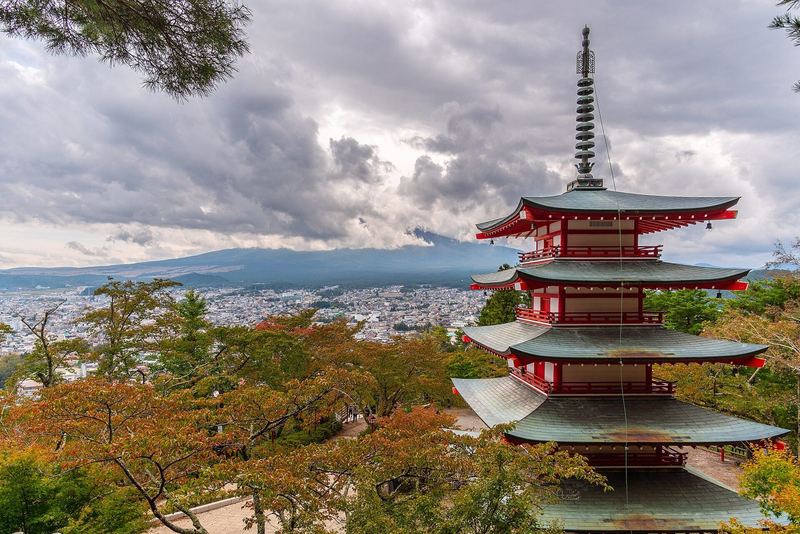
One Month in Japan
Tokyo to Kyushu with a rail pass that is actually worth it.
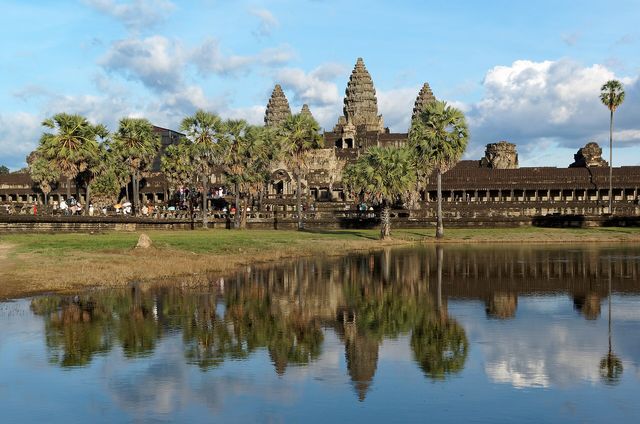
Three-Month Career Break in Asia and the Pacific
Japan and Korea in autumn, Southeast Asia in the dry season, New Zealand in summer.
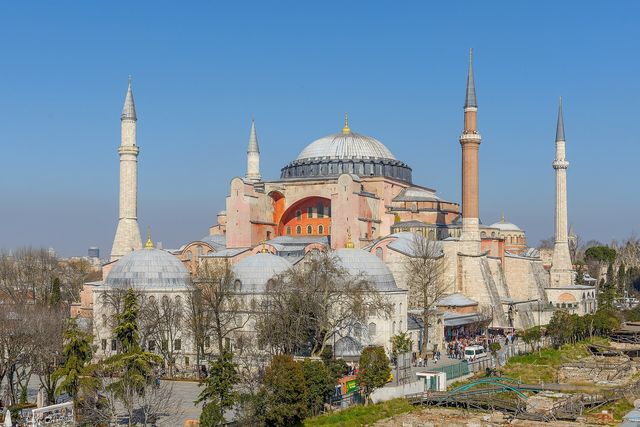
Three Months Around the World
An eastbound loop across five continents in about 90 days.
Six Months Around the World
Westbound with the seasons: Europe, Asia, the Pacific and the Americas.
One-Year World Trip
Twelve months, five continents, a season in each.