WorldAsiaIndonesiaBali (Canggu and Ubud)
Bali (Canggu and Ubud)
Surf, rice terraces, temples and the world's most crowded nomad scene.
Save
Overview
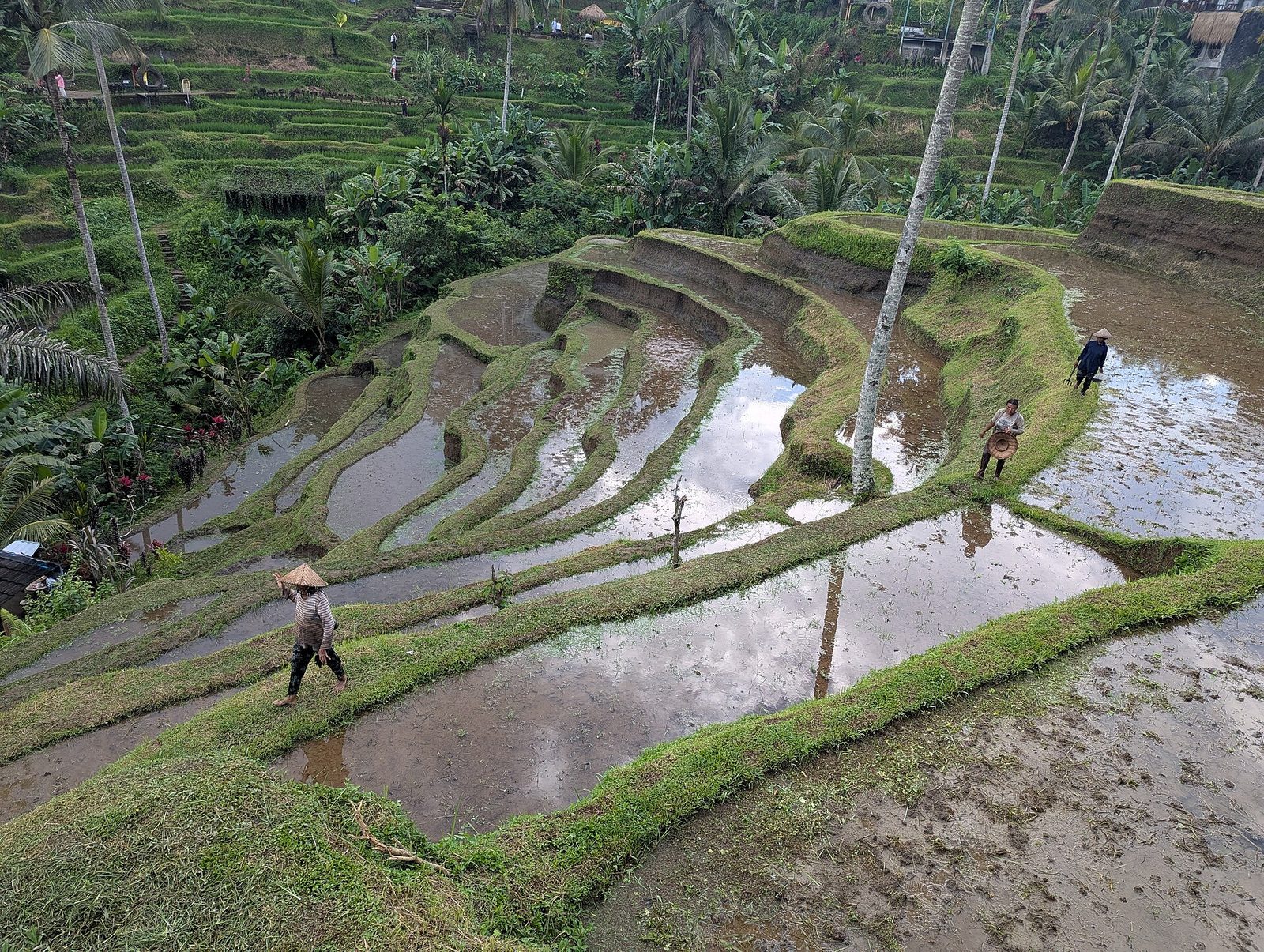
Bali has been the global nomad and wellness capital for a decade and it shows: Canggu's rice fields have filled with villas, cafes and coworking spaces, Ubud's ridges with yoga studios, and the traffic between them is notorious. The island beneath remains extraordinary: Hindu temple ceremonies in every village, volcanoes, surf from beginner beaches to world-class reefs, and the quieter north and east (Amed, Sidemen, Munduk) that most visitors never reach. Prices are now the highest in Southeast Asia for the lifestyle on offer, and the island is still worth it.
Why visit
For the easiest ready-made nomad and wellness life anywhere, surf for every level, and a culture that is genuinely different from the rest of the archipelago.
Budget breakdown
Hostel beds 150,000 to 300,000 rupiah; guesthouses 350,000 to 700,000; private villa rooms from 1 million. Monthly villa studios in Canggu run 8 to 20 million rupiah; Ubud is 20 to 30 percent cheaper. Warung meals 30,000 to 60,000 rupiah, cafe brunch 100,000 to 150,000, scooter hire 70,000 to 100,000 a day.
| Per person per day | Backpacker | Mid-range | Comfortable |
|---|---|---|---|
| Accommodation | $12 | $45 | $130 |
| Food and drink | $10 | $22 | $45 |
| Local transport | $5 | $10 | $20 |
| Activities and sights | $5 | $14 | $30 |
| Other (SIM, laundry, sundries) | $3 | $6 | $10 |
| Daily total | $35 | $97 | $235 |
| Monthly (30 days) | $1,050 | $2,910 | $7,050 |
Tiers: Backpacker = dorm beds or basic guesthouses, street food and local transport; Mid-range = private rooms, a mix of restaurants and self-catering, occasional taxis; Comfortable = boutique hotels or apartments, restaurants most meals, taxis and tours.
In local currency, mid-range daily total: 1,754,730 IDR at 18,090.00 IDR/USD (Financial Modeling Prep (indicative mid), Nov 05, 2026, indicative, delayed).
Provenance: Digital Backpacker research desk, as of October 2026, confidence medium. Editorial estimate: typical per-person daily spend compiled from published hostel, guesthouse and hotel rate ranges, menu and street-food prices and local transport fares observed in 2026, rounded to the nearest dollar. USD per person per day; indicative planning figure, not a live price.
Monthly estimates: rent $800 (furnished one-bedroom, central district), coworking $180 (hot desk). Same date, source and confidence as above.
Build a full trip budget → $10,000 lasts about 3.4 months here at the mid-range tier · compare
Weather and best time to visit
Dry season roughly April to October with the most reliable sun and surf swell from June to September; wet season November to March with heavy afternoon rain, humidity and more rubbish on the west-coast beaches. Ubud is a few degrees cooler and noticeably wetter than the coast.
Best time: May to September; April and October are good shoulder months with fewer people.
| Month | Avg high °C | Avg low °C | Rain mm | Rain days | Season |
|---|---|---|---|---|---|
| January | 33.0 | 24.1 | 345 | 27.0 | avoid |
| February | 33.4 | 24.2 | 274 | 22.0 | avoid |
| March | 33.6 | 24.0 | 234 | 20.0 | |
| April | 34.4 | 24.8 | 88 | 9.0 | shoulder |
| May | 33.1 | 24.1 | 93 | 8.0 | best |
| June | 31.4 | 23.5 | 53 | 6.0 | best |
| July | 30.4 | 23.0 | 55 | 4.0 | best |
| August | 29.6 | 22.5 | 25 | 4.0 | best |
| September | 31.4 | 22.9 | 47 | 8.0 | best |
| October | 33.6 | 23.7 | 63 | 12.0 | shoulder |
| November | 32.7 | 23.5 | 179 | 16.0 | |
| December | 33.0 | 23.5 | 276 | 22.0 |
Climate normals: WMO World Weather Information Service / Meteorological, Climatological and Geophysical Agency (BMKG), station Denpasar. Long-term monthly averages, not a forecast. WMO station: Denpasar (Ngurah Rai); Ubud in the hills is cooler and wetter. Best, shoulder and avoid labels are editorial.
Where to stay
Canggu (Berawa, Batu Bolong, Pererenan) for surf and nomads; Ubud (Penestanan, Nyuh Kuning) for yoga and quiet; Uluwatu for surf and cliffs; Seminyak for restaurants and resorts; Amed and Sidemen for the island that Canggu replaced. Guesthouses with family compounds are the best value and the best experience.
Neighbourhoods
Canggu (Berawa, Batu Bolong, Pererenan: surf and nomads), Ubud (yoga, art, rice fields), Uluwatu and Bingin (cliffs, surf, villas), Seminyak (dining, beach clubs), Sanur (calm, older crowd), Amed (diving, quiet), Sidemen and Munduk (mountains).
Food
Nasi campur at a local warung, babi guling (roast pig) at Ibu Oka or the lesser-known Pak Malen, sate lilit, and a cafe scene that invented half the world's smoothie bowls. Jimbaran's beach seafood is overpriced but pleasant.
Getting around
Scooters (helmets, licence and sobriety: the police check tourists and the hospitals are full of the unlicensed), Grab and Gojek where villages allow them, private drivers around 600,000 to 800,000 rupiah a day. Fast boats to Nusa Penida, Lembongan and the Gilis.
Things to do
By travel style
One destination database, seven views. Fit is an editorial score out of five.
Still the great social hub of Indonesia; hostels in Canggu and Ubud, surf lessons, Batur at dawn, boats to the Gilis. Pricier than the mainland.
Surf and dive instructor courses, yoga teacher trainings and volunteering (choose carefully) draw gap-year travellers; the party scene draws the rest.
The original and still the biggest: every amenity exists, the community is enormous, and the scooter commute between them is the tax.
A natural reset on a long route and the gateway to Flores, Komodo, Java's volcanoes and Lombok's Rinjani.
Villas, pools and staff at prices that still astonish; Indonesia's retirement KITAS (55+) provides a legal long-stay path, with agents to navigate it.
The world's wellness workshop: yoga, breathwork, surf camps, Balinese cooking and ceremony. Easy to fill three months, easy to spend them in one cafe.
Sanur and Ubud suit older travellers: calmer, walkable in parts, excellent private hospitals, drivers instead of scooters. Many never leave.
Practical
Safety
Scooter accidents are the overwhelming risk. Rip currents on the south and west coast beaches, methanol in cheap spirits (drink sealed brands), bag theft from scooter baskets, and rabies from dogs and monkeys. Petty theft from villas with open layouts.
Common scams
Money-changer sleight of hand (use banks or authorised counters with a 'PVA Berizin' sign), scooter rental damage claims, overpriced 'official' guides at temples, taxi overcharging at the airport (use the fixed-price counter or apps from the car park).
Connectivity and remote work
Fibre in villas and coworking (Canggu's Tropical Nomad, Outpost, Dojo; Ubud's Outpost and Hubud's successors) is 50 to 300 Mbps; cheaper guesthouses are far worse. Power cuts are occasional. Telkomsel 4G/5G is good across the south.
The most developed nomad ecosystem on earth: coworking, meetups, skill-shares and a steady stream of people doing the same thing. The costs of success are traffic, prices and a feeling of living inside an industry; many long-stayers decamp to Ubud, Amed or Lombok.
- Typical fibre
- 60 Mbps
- Coworking
- 5/5
- Community
- 5/5
- Long-stay visa
- VOA 30+30 days; B211A or E33G remote-worker visa via agents
Editorial assessment (October 2026); villa and coworking fibre is far better than guesthouse Wi-Fi.
Language
Indonesian and Balinese; English fluent throughout the tourist south.
Cultural etiquette
Temple dress (sarong and sash), do not enter temples during menstruation (a local rule, posted at entrances), do not step on canang sari offerings on the pavement, respect ceremonies and processions, and keep swimwear for the beach.
Insurance and health
BIMC and Siloam hospitals in Denpasar and Nusa Dua are the international standard; evacuations go to Singapore. Make sure scooter accidents are covered (most policies require a motorcycle licence).
Visa information
Visa on Arrival 30 days (extendable once) is the norm; longer stays use the B211A visit visa or the E33G remote-worker route, both via agents. Nyepi (March) closes the island, including the airport, for 24 hours.
| Passport | Tourist entry | Days | Checked |
|---|---|---|---|
| US | Visa on Arrival (B1) / e-VOA | 30 | Oct 2026 · official ↗ |
| GB | Visa on Arrival (B1) / e-VOA | 30 | Oct 2026 · official ↗ |
| DE | Visa on Arrival (B1) / e-VOA | 30 | Oct 2026 · official ↗ |
| CA | Visa on Arrival (B1) / e-VOA | 30 | Oct 2026 · official ↗ |
| AU | Visa on Arrival (B1) / e-VOA | 30 | Oct 2026 · official ↗ |
Remote work: Remote Worker Visa (E33G). One-year KITAS for employees of companies outside Indonesia; income threshold (around USD 60,000 a year) and documentation requirements have changed since launch. official source ↗ Official eligibility verification required
Summaries for research with the official source linked; not eligibility decisions. Check your passport in the Visa & Work Finder →
Routes through Bali (Canggu and Ubud)

Five Weeks in Indonesia: Java to Komodo
Temples and volcanoes on Java, then island-hopping east to the Komodo dragons.

Three-Month Career Break in Asia and the Pacific
Japan and Korea in autumn, Southeast Asia in the dry season, New Zealand in summer.
Three Months in Southeast Asia
The banana pancake trail, done with time to stop.
Six-Month Asia Nomad Circuit
Month-long bases from Seoul to Bali, timed to follow the dry, mild seasons.
Six Months Around the World
Westbound with the seasons: Europe, Asia, the Pacific and the Americas.
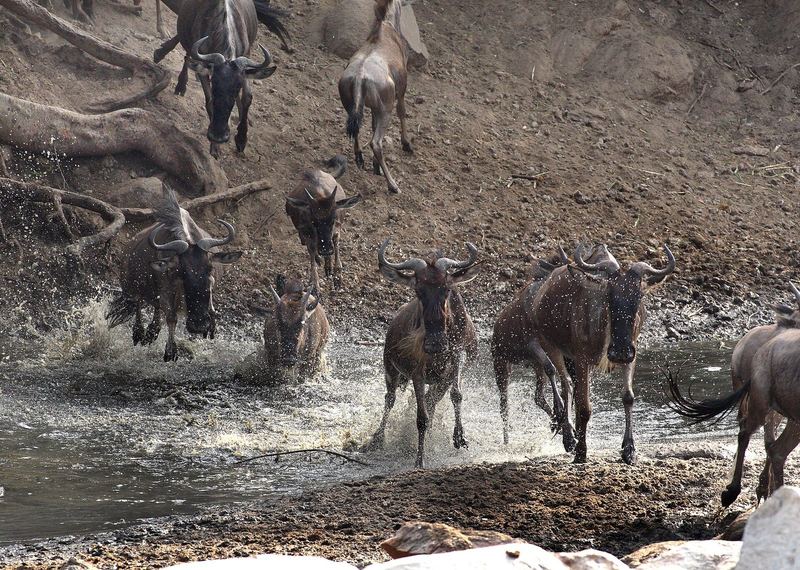
One-Year World Trip
Twelve months, five continents, a season in each.
Related destinations
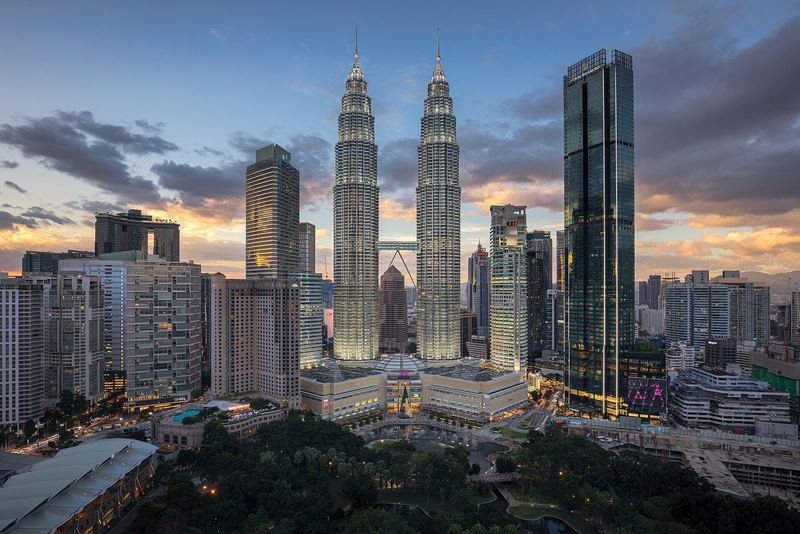 Malaysia
Kuala Lumpur
The most underrated long-stay city in Asia: modern, multilingual and cheap for what it offers.
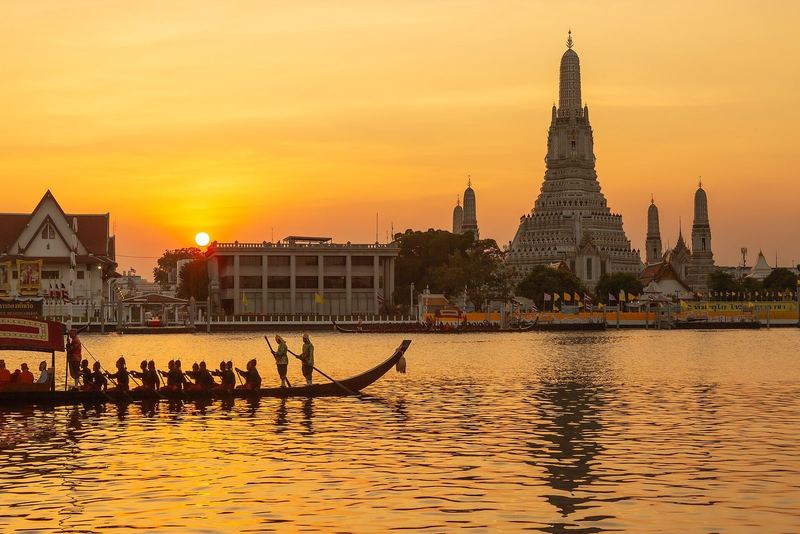 Thailand
Bangkok
The hinge of Southeast Asia: everyone passes through, and the smart ones stay a while.
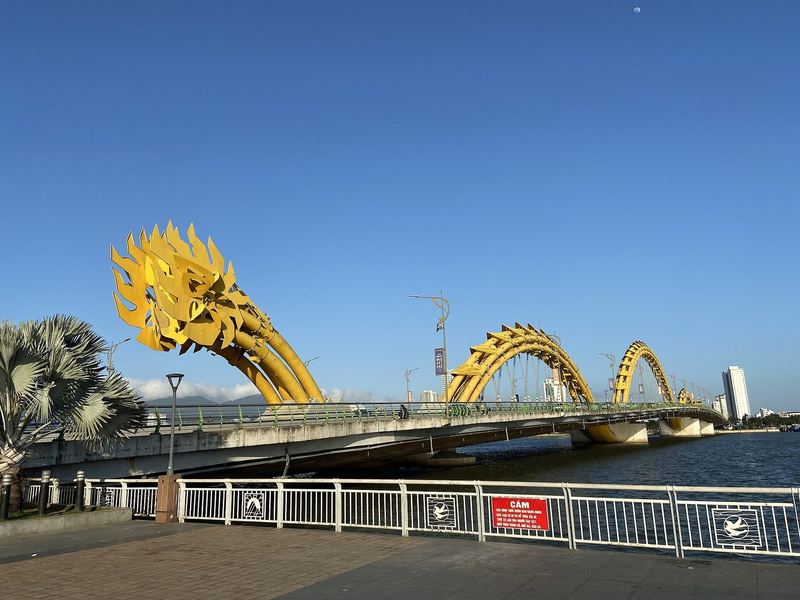 Vietnam
Da Nang
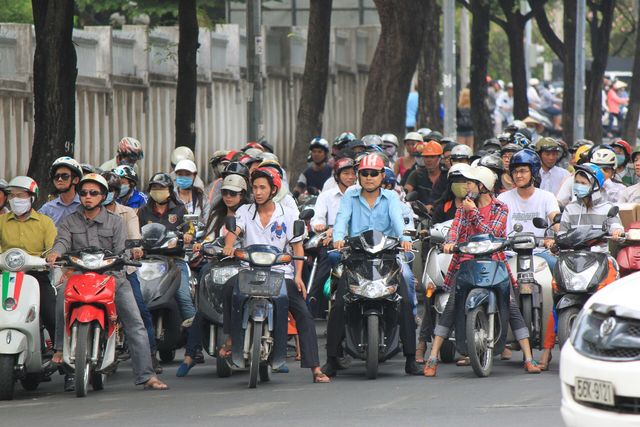
A beach city with fibre internet: central Vietnam's practical nomad base.